
This site is about foam roofing in Oro Valley and Southern Arizona: how spray polyurethane foam (SPF) roofs work, why they’re popular in the desert, how to spot wear before it turns into leaks, and how recoating keeps a foam roof going for decades. The articles below cover specific issues like hail, birds and monsoon ponding. This page is the overview.
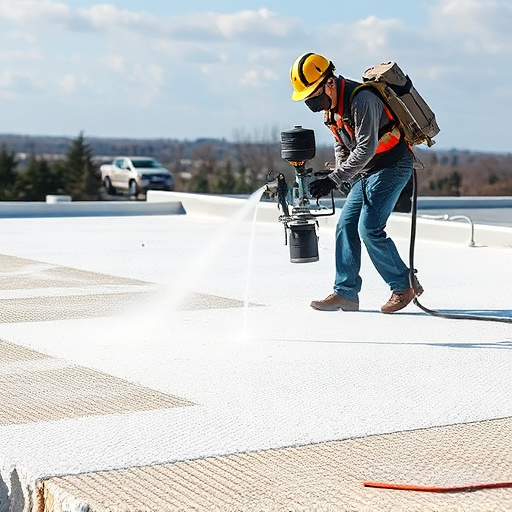
How a foam roof works
A foam roof is built in two parts. First, liquid polyurethane is sprayed onto the roof deck or an existing roof, where it expands and hardens into a seamless, rigid layer. The installer can build up extra thickness in low spots to improve drainage. Second, the foam is covered with a protective elastomeric coating, usually acrylic or silicone, sometimes with granules embedded for durability.
The foam provides the waterproofing and insulation. The coating protects the foam from the sun. That division of labor is the key to understanding foam: the foam lasts as long as the coating protects it. Exposed to UV, foam turns from tan to brown, becomes powdery and erodes away.
Why foam is popular in the desert
- Insulation. Foam has a higher insulating value per inch than most roofing materials, which helps keep homes with flat roofs cooler.
- No seams. It’s sprayed as one continuous surface, so there are no laps or seams to open up.
- It seals odd shapes. Parapets, scuppers, curbs and penetrations on flat roofs are easier to seal with foam than with sheet goods.
- It can go over an existing roof in many cases, which avoids a full tear-off, as long as the existing roof is dry and sound.
- Reflective coatings bounce back much of the sun’s heat.
For how foam compares during monsoon rains, see foam roofs vs. other roof types in monsoon rain.
Signs your foam roof needs attention
- Chalking or thinning coating: a powdery surface that rubs off on your hand.
- Exposed foam: tan, brown or orange patches where the coating has worn away, often near edges and parapets.
- Blisters: raised bubbles in the coating or foam, which can trap moisture.
- Cracks and splits, especially around penetrations and where the roof meets walls.
- Hail damage: small dents or punctures that break the coating.
- Bird damage: birds sometimes peck holes in foam, particularly at edges and near nesting areas.
- Ponding: water standing a day or two after rain.
See spotting foam roof wear and when to recoat after hail and energy savings and bird damage prevention.
Recoating: the most important maintenance
Recoating means cleaning the roof, repairing damaged areas, and applying a fresh layer of coating over the whole surface. Done before the foam is exposed, it renews the roof’s protection without replacing any foam. How often depends on the coating: acrylic coatings generally need recoating more often than silicone, and the right interval also depends on how thick the last coat was applied and how much sun and foot traffic the roof gets. Silicone generally has to be recoated with silicone, so know which coating you have before hiring someone to recoat it.
Waiting too long is the expensive mistake. Once foam erodes, it has to be cut out and replaced before the roof can be recoated, which costs more than staying on schedule.
Foam roofs, solar panels and rooftop equipment
Foam handles odd shapes well, but anything mounted on it needs attention. Solar mounts, swamp cooler and HVAC curbs, and pipe penetrations should be sealed with foam and coating compatible with the roof. Installing solar on a foam roof whose coating is nearly due for renewal is a common mistake, because recoating under and around panels later is difficult. Recoat first, then install. Also make sure anyone who services equipment on the roof knows that foam can be punctured by dropped tools and sharp edges, and that a small puncture left open lets water into the foam.
Seasonal care
- Spring: inspect the coating, seal any damage, clear scuppers and drains.
- After monsoon storms: check for hail damage, ponding and debris.
- Fall: a good time for recoating and repairs, with mild temperatures and dry weather.
See seasonal care for foam roofs: monsoon prep and post-storm checks.
Foam on older and historic-style homes
Many older flat roofs in the area started as tar-and-gravel or built-up roofs. Foam is often applied over them as an upgrade, as long as the existing roof is dry. Pueblo and Santa Fe style homes, with parapets, canales and vigas, need careful detailing where the foam meets walls and drains. See from tar to foam: spotting roof wear, sealing foam on historic homes and around skylights, and protecting Pueblo and Santa Fe homes with a foam recoat after hail.
Hiring a foam roofing contractor
- Ask how many foam roofs they install and recoat each year. Spraying foam well takes specific equipment and experience.
- Ask what foam thickness and coating thickness they’ll apply, in writing.
- Ask how they check the existing roof for trapped moisture before spraying over it.
- Ask what the coating warranty requires for maintenance.
- Verify the license with the Arizona Registrar of Contractors.
The Spray Polyurethane Foam Alliance publishes industry information on SPF roofing. For other flat roof systems, see the flat roof services guide. The newest articles on this site are listed below.
Category: Foam Roofing Oro Valley
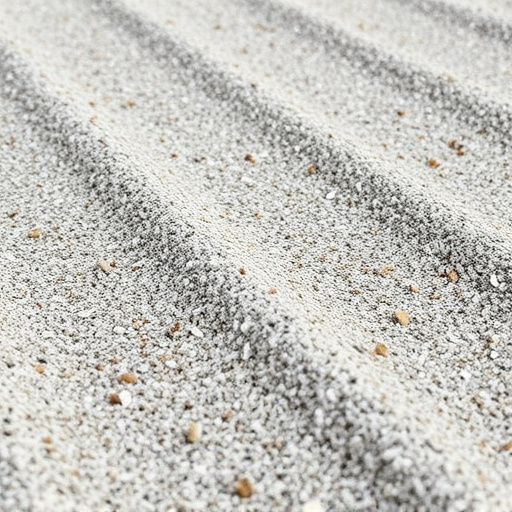
Foam vs. Flat: Energy-Efficient Roof Options in Arizona
Read more →
Spot Foamscape Wear: Schedule Recoating for Leak Prevention
Read more →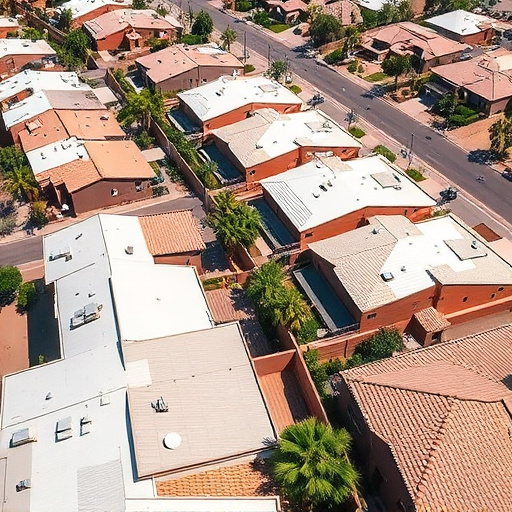
Foam Roofs: Install, Maintain, Recoat After Hail for Pueblo, Santa Fe Homes
Read more →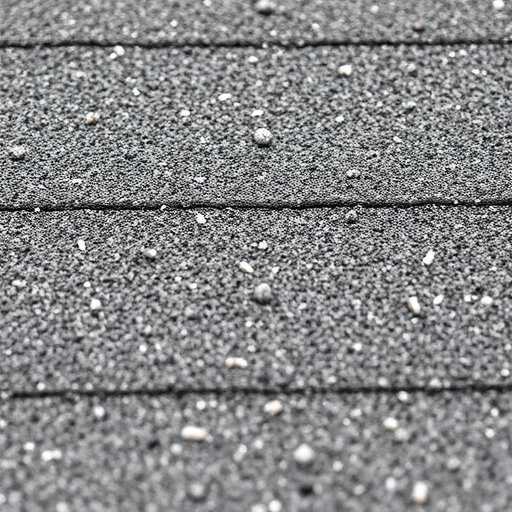
Sealing Foam: Historic Homes, Skylights, and Longevity
Read more →
Protect Pueblo & Santa Fe Homes with Natural Foam Roof Recoat After Hail
Read more →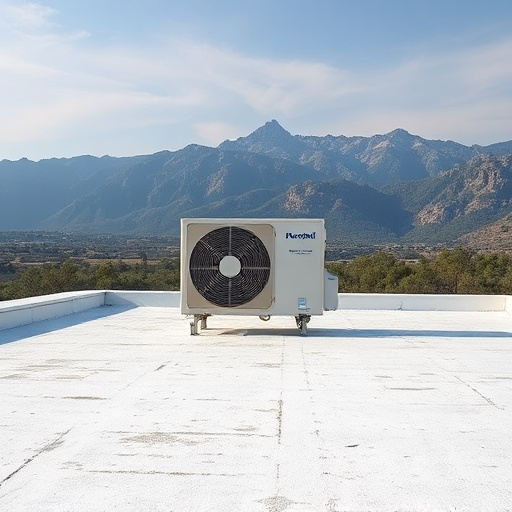
Spot Roof Wear: Tar to Foam, Prevent Leaks
Read more →
Seasonal Care for Efficient Foam Roofs: Monsoon Prep & Post-Storm
Read more →
Spot Foam Roof Wear: Prevent Leaks, Consider Recoat After Hail
Read more →