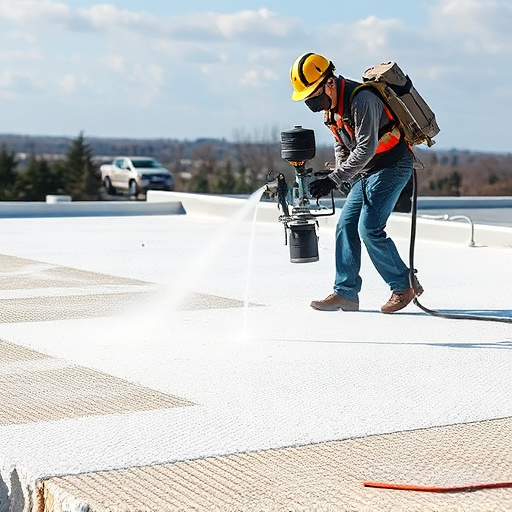
In the arid climate of southern Arizona, choosing the right roofing system is crucial for both durability and energy efficiency. Flat roofs, a common choice for residential and commercial buildings, present unique challenges, particularly with the region's frequent monsoon rains. Spray polyurethane foam (SPF) roofing has emerged as a popular alternative to traditional built-up roofs, offering superior water resistance and insulation. However, SPF is not without its competitors, such as modified bitumen and single-ply membranes. This article examines a comprehensive comparison, exploring the advantages and potential drawbacks of SPF against other flat roof systems, providing homeowners and contractors with valuable insights for informed decisions, especially in the face of persistent monsoon rains.
- Understanding Foam Roofs: Benefits for Southern Arizona
- Other Flat Roof Systems: Asphalt, Metal, and More
- Performance in Monsoon Rain: A Key Comparison
- Installation, Cost, and Longevity: Choosing the Best Fit
Understanding Foam Roofs: Benefits for Southern Arizona
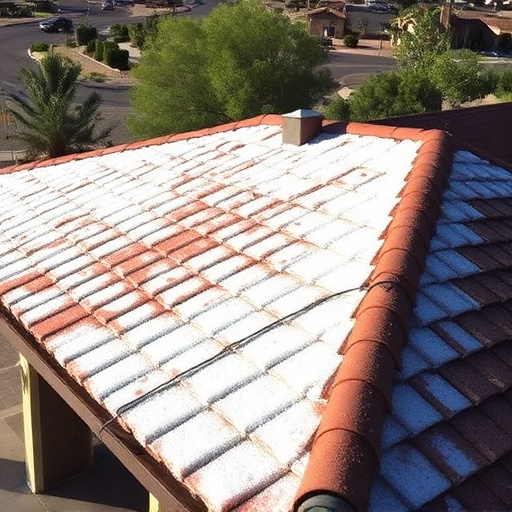
The flat roof landscape in southern Arizona presents unique challenges, from intense sunlight and heat to sporadic monsoon rains. Among the various roofing solutions, spray polyurethane foam (SPF) stands out as a superior choice for many homeowners in areas like Rancho Vistoso and Catalina Foothills. SPF offers a range of benefits tailored to this specific climate, making it a smart investment for property owners.
One of SPF's key advantages is its exceptional resistance to the harsh conditions prevalent in southern Arizona. When properly installed, foam roofs can withstand the region's intense sunlight, which would otherwise deteriorate traditional materials. This durability is further enhanced during monsoon seasons, when intense rainfall can lead to pooling on less robust roofs. In contrast, SPF's seamless, closed-cell structure allows water to bead up and roll off easily, preventing damage from ponding. This natural drainage is further aided by strategically placed scuppers, which direct water away from the roof's perimeter, ensuring efficient water management.
Foam roofs offer significant energy savings for southern Arizona homes. The insulating properties of SPF create a highly efficient thermal barrier, reducing heat transfer and minimizing interior temperature fluctuations. This can lead to lower energy bills and more comfortable living spaces, especially during the region's hot summers. DC Roofing of Arizona, a local roofing contractor with extensive experience in the area, often recommends SPF for its ability to provide both durability and energy efficiency. By embracing the unique demands of southern Arizona's climate, foam roofs can deliver long-lasting, low-maintenance solutions for homeowners in picturesque locations like Rancho Vistoso and Catalina Foothills.
Other Flat Roof Systems: Asphalt, Metal, and More
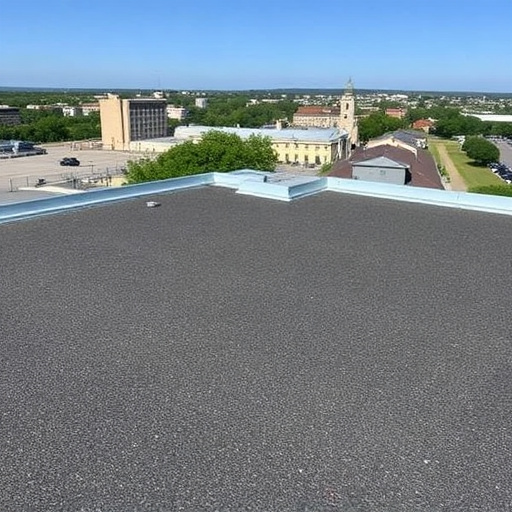
While foam roofs have gained popularity in southern Arizona for their energy efficiency and durability, they aren't the only game in town. When considering a new or repaired flat roof, homeowners in Oro Valley and beyond often weigh their options against traditional and alternative systems. Let's explore how foam roofs stack up against common alternatives like asphalt, metal, and more, focusing on their strengths, weaknesses, and specific considerations in our region's unique climate.
Asphalt roofs remain a prevalent choice for many homes. These roofs are cost-effective, easily accessible, and relatively simple to install. However, they often require more frequent replacements than foam, around every 15-20 years, due to UV degradation. In areas like Oro Valley, where monsoon rains can be intense, asphalt's lack of breathability can lead to pooling water, resulting in damage over time. Asphalt is not typically as environmentally friendly as foam, contributing to a larger carbon footprint due to its petroleum-based composition.
Metal roofs have gained a reputation for their longevity, often lasting 40 years or more. They are resistant to fire, mold, and UV rays, and they offer a wide range of aesthetic options. However, they can be more expensive than asphalt and require specialized installation. Metal roofs also conduct heat, potentially increasing energy costs in the summer. In the event of strong winds or storms, metal panels can be susceptible to damage, especially if not properly fastened.
For foam roofs in monsoon rain, proper installation and maintenance are crucial. A licensed Oro Valley area roofing contractor recommends addressing drainage concerns first, using tapered foam for effective water runoff. While foam can withstand intense rainfall, granules or debris on the surface can impede water flow, potentially leading to ponding and damage. Regular inspections and recoating, every 3-5 years, are essential to prevent blisters, ensure optimal performance, and protect against UV degradation.
In the case of existing roofs, foam offers a unique advantage-it can be applied directly over old shingles or metal without a tear-off. This not only reduces waste but also cuts down on labor costs and project timelines. However, homeowners should be aware of potential issues with flashing around parapets and skylights, where leaks can occur if not sealed properly. For these areas, a meticulous approach to detailing and sealing is vital to ensure the long-term integrity of the foam roof.
Performance in Monsoon Rain: A Key Comparison

For roofing in southern Arizona, especially in areas like Oro Valley and Rancho Vistoso, the performance of different flat roof systems under monsoon rain is a critical consideration. Spray polyurethane foam (SPF) has gained popularity for its versatility and energy efficiency. However, it's essential to understand how SPF holds up against traditional options when faced with the region's intense summer storms.
One common concern with SPF roofs is their ability to handle heavy rainfall, like that experienced during Arizona's monsoon season. While SPF is known for its water-resistant properties, continuous exposure to prolonged rain can challenge its integrity. In contrast, traditional flat roof systems, such as built-up roofing or tar and gravel, have long been used in this region and are designed to withstand heavy precipitation. These systems rely on multiple layers to protect against water intrusion, offering a higher degree of confidence during monsoon events. However, it's crucial to note that SPF can still provide excellent performance in these conditions when properly installed and maintained, especially when combined with additional protective measures.
Consider a local roofing company serving Oro Valley specializing in SPF installation. They would advise that proper drainage and sealing are key to mitigating the risk of water damage during monsoon rain. Tapered SPF for better drainage, along with detailed edge detailing, can ensure water runs off effectively. Regular maintenance, including recoating after hail or significant weather events, can extend the lifespan of an SPF roof. In Santa Fe style homes, where aesthetics meet functionality, SPF's ability to maintain its structural integrity under rain ensures the roof remains both visually appealing and structurally sound. By understanding the unique challenges and benefits of foam roofs in monsoon rain, homeowners and contractors alike can make informed decisions to ensure the long-term performance of their roofing systems.
Installation, Cost, and Longevity: Choosing the Best Fit
When comparing foam roofs to other flat roof systems in southern Arizona, understanding the installation, cost, and longevity is crucial for making an informed decision. One of the key advantages of foam roofing is its ease of installation, particularly when compared to traditional built-up roofs. Most foam installations take one to two days, requiring fewer man-hours and less equipment. This efficiency translates to potential cost savings and faster project completion. Foam can be applied directly over an old roof without the need for a complete tear-off, significantly reducing demolition and disposal costs.
Cost-wise, foam roofs offer a competitive option. While initial costs may vary, the long-term savings can be substantial. According to industry experts, foam roofs often have a lower total cost of ownership due to their superior insulation properties, which reduce energy bills. A roofer with an Arizona ROC license can provide detailed estimates tailored to each project, factoring in the unique challenges and benefits of the local climate. In areas prone to monsoon rains, foam's flexibility and water-resistive properties are advantageous, preventing blisters and ensuring longevity.
Longevity is another critical factor. Properly installed and maintained foam roofs can last 25 years or more, outperforming many other flat roof systems. The durability of foam is particularly evident in regions with extreme weather, like southern Arizona, where it can withstand hail and heavy rainfall. A key to maintaining foam's longevity is regular inspection and recoating, typically every 2-4 years. Recoating involves applying a new layer of foam over the existing roof, repairing any blisters or damage, and ensuring optimal performance. In areas hit by hail, a timely recoat after storms can prevent extensive repairs or premature replacement.
Frequently Asked Questions About a comparison of foam with other flat roof systems used on southern Arizona homes
What is the advantage of using spray polyurethane foam (SPF) for flat roofs in southern Arizona?
SPF offers exceptional insulation value, helping to keep homes cool in the intense summer heat and warm during winter. Its seamless, waterproof nature, and resistance to mold and pests make it a durable and low-maintenance option. SPF installation is fast, efficient, and generates minimal waste, making it a cost-effective and environmentally friendly choice for southern Arizona's flat roofs.
How does SPF compare to traditional flat roof materials like tar and gravel in terms of cost?
While tar and gravel roofs have been the standard for many years, SPF can often be more cost-effective in the long run. While the initial installation cost might be slightly higher, SPF's superior insulation properties can significantly reduce energy bills over time. Its longevity and low maintenance requirements can further offset the initial investment.
Is SPF suitable for all types of flat roofs in southern Arizona?
SPF is highly versatile and can be applied to various roof shapes and slopes. However, it performs best on relatively smooth surfaces. Before installation, DC Roofing of Arizona, a licensed local roofer, will assess the roof's condition and structure to ensure it's suitable for SPF.
What are the environmental benefits of using SPF for flat roofs?
SPF contributes to sustainability in several ways. Its excellent insulation reduces energy consumption, lowering a home's carbon footprint. SPF is made from readily available, renewable resources, and its production generates minimal volatile organic compounds (VOCs), improving air quality.
How long does it typically take to install an SPF flat roof?
Most SPF installations in southern Arizona can be completed in one to two days, depending on the roof's size and complexity. This swift installation time minimizes disruptions to homeowners' lives and allows them to return to their properties quickly.
Does SPF require regular maintenance, and if so, how often?
SPF roofs are designed for low maintenance. With proper installation and regular cleaning, they can last 20 years or more with minimal upkeep. DC Roofing of Arizona can provide maintenance schedules and inspections to ensure your SPF roof remains in top condition.
The comparison of foam roofs with other flat roof systems in southern Arizona reveals several key insights. Spray polyurethane foam (SPF) stands out for its superior performance in monsoon rain, thanks to its flexible nature and water-resistive properties. This makes it a compelling choice for a region prone to intense rainfall. When compared to traditional materials like asphalt and metal, SPF offers both cost-effectiveness and longevity, with the right installation and maintenance.
Other flat roof systems, while established, present specific challenges. Asphalt roofs, for instance, require more frequent replacement and can be less energy-efficient. Metal roofs, though durable, are more expensive and can be susceptible to damage from foot traffic and extreme weather.
The article underscores the importance of choosing the right roofing system based on specific needs and local conditions. For homeowners in southern Arizona, foam roofs present a viable and increasingly popular option. By understanding the benefits and considerations, property owners can make informed decisions, ensuring their roofs offer optimal protection for years to come, even during the region's monsoon seasons.
Next steps for readers include consulting with local, licensed foam roofing experts like DC Roofing of Arizona to assess their individual needs and obtain expert advice on installation, recoating schedules, and upkeep. This ensures the longevity and optimal performance of a foam roof, leveraging its proven advantages in the unique climate of southern Arizona.
In southern Arizona's harsh climate, spray polyurethane foam (SPF) roofs excel in durability, energy efficiency, and water management during monsoon seasons. Compared to alternatives like asphalt and metal, SPF offers lower maintenance costs, longer lifespans, and superior resistance to intense sunlight and rainfall. While proper installation and maintenance are crucial for foam roofs in monsoon rain, their benefits make them a smart investment for homeowners in Oro Valley and Rancho Vistoso.