In the growing pursuit of energy-efficient, sustainable roofing solutions, spray polyurethane foam (SPF) has emerged as a powerful option for Pueblo, Santa Fe, and territorial style homes. Its remarkable performance-including superior insulation, water resistance, and durability-makes SPF a top choice for homeowners and commercial properties alike. However, the effectiveness of SPF roofing is heavily influenced by proper installation and maintenance. This guide examines the intricacies of foam roofing, focusing on best practices, common challenges, and expert tips for a successful and long-lasting installation. We'll also explore crucial aspects like sealing foam around skylights, ensuring your roof performs optimally year after year.
- Understanding Foam Roofing for Historic Homes
- Preparing Pueblo & Santa Fe Style Structures
- Sealing Skylights: A Natural Approach with Foam
- Long-Term Benefits and Maintenance Tips
Understanding Foam Roofing for Historic Homes
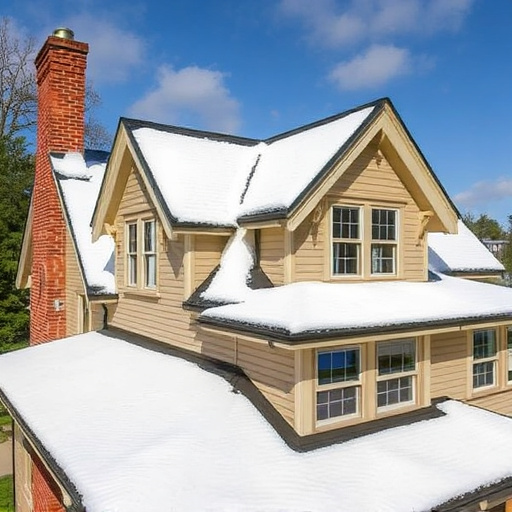
When restoring or preserving historic Pueblo, Santa Fe, or territorial style homes, selecting the right roofing material is crucial. Spray foam roofing offers an innovative and effective solution, but its application requires a nuanced approach to preserve these architectural gems. Unlike traditional roofing materials, spray foam's unique characteristics necessitate specific considerations, especially when sealing foam around skylights, a common feature in these historic structures.
Sealing skylights is paramount as these openings can be vulnerable to leaks and water intrusion. The process involves applying a compatible sealant designed to withstand Arizona's climate and the specific movement patterns of foam. A roofing contractor serving Oro Valley and Marana might recommend elastomeric sealants for their durability and flexibility, ensuring a secure seal without damaging the historic skylight aesthetic. Understanding the type of roofing granules used on the existing roof is essential. These granules, often composed of stone or ceramic, must be carefully considered when applying foam to avoid compatibility issues.
At the same time, addressing the unique drainage challenges of these styles is critical. Tapered foam can be strategically incorporated to promote water flow and prevent ponding, a common problem in low-lying areas. Proper drainage is not just about aesthetics; it's about protecting the structural integrity of the building, especially around parapet walls, which can be vulnerable to foam leaks. Regular maintenance, including inspecting and sealing any foam leaks at parapet walls, is crucial for the longevity of the foam roofing system.
Preparing Pueblo & Santa Fe Style Structures
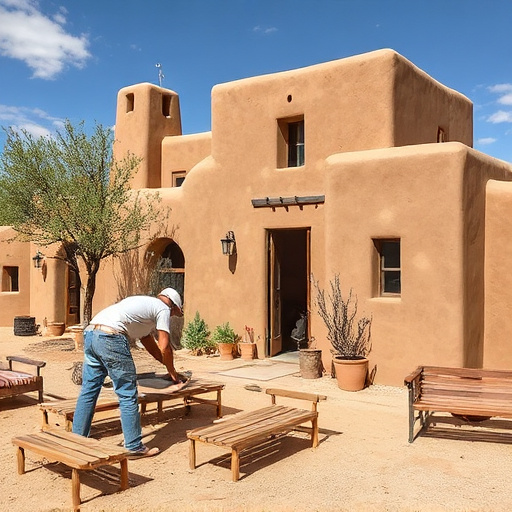
When preparing Pueblo and Santa Fe style structures in the Oro Valley area, the unique architectural details and regional climate demand a specialized approach to roofing. These iconic homes, often featuring flat roofs and adobe or stone construction, require a durable, energy-efficient, and low-maintenance roofing solution. Spray polyurethane foam (SPF) is an ideal choice for these structures, offering exceptional performance in the region's arid climate and harsh conditions, from monsoon rains to intense sun.
In the Catalina Foothills and Rancho Vistoso neighborhoods, where many Pueblo and Santa Fe homes are located, SPF has proven its worth. Its seamless, monolithic structure provides superior wind resistance, crucial in a region prone to powerful storms. SPF's ability to expand and contract with temperature changes helps prevent damage from extreme heat and cold, a common issue in the desert climate. One of the key advantages of SPF for these styles is its compatibility with various substrates, from older shingled roofs to existing tile or adobe surfaces. An experienced Oro Valley roof specialist can assess the structure and determine the best approach, whether it involves applying SPF over an existing roof or as a complete replacement.
When considering a foam roof, homeowners should be aware of the long-term benefits. Properly installed and maintained, SPF can last for decades, reducing the need for frequent repairs or replacements. In fact, many commercial buildings in the region have relied on SPF for its longevity and cost-effectiveness. Another advantage is its excellent energy efficiency, which can lead to significant utility bill savings over time. SPF's smooth surface reduces water runoff, benefiting local drainage systems and contributing to sustainable building practices, a growing priority in the community.
Sealing foam around skylights is a crucial aspect of proper SPF installation, ensuring these openings remain leak-free and maintain their energy efficiency. Homeowners should work with a licensed contractor who understands the specific needs of Pueblo and Santa Fe style homes. By choosing the right expert, homeowners can enjoy the full benefits of SPF roofing, enhancing the beauty and value of their Oro Valley property for years to come.
Sealing Skylights: A Natural Approach with Foam
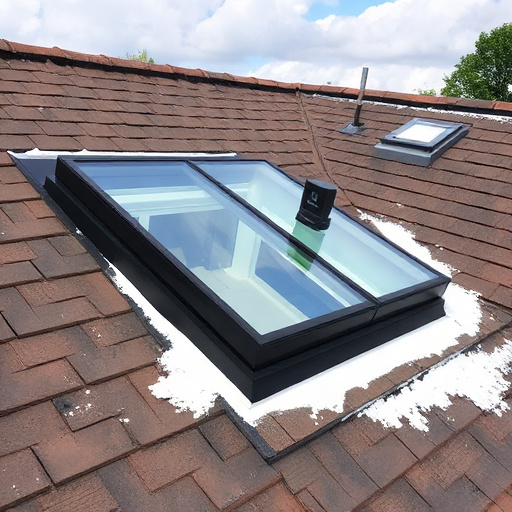
Sealing skylights is a crucial aspect of maintaining a well-functioning, energy-efficient flat roof, especially in the unique architectural style of Pueblo and Santa Fe homes. In regions like Oro Valley and Marana, where these homes are prevalent, proper skylight sealing can significantly impact the overall performance and longevity of a foam roof. This is particularly important considering the region's frequent monsoon rains and varying climate conditions, which can lead to ponding and other issues if not addressed.
For sealing foam around skylights, a natural approach is often the best strategy. This involves using materials and techniques that complement the existing roof system while providing long-lasting protection. A roofing contractor serving Oro Valley and Marana may recommend applying a specific type of elastomeric coating to the skylight area. This coating not only seals out moisture but also allows for some degree of flexibility, crucial for preventing blistering and cracks, which can occur with extreme temperature changes. By sealing naturally, rather than using heavy tar or gravel, the overall energy efficiency of the roof is maintained, as the foam's insulating properties are preserved.
In the case of older Pueblo-style homes with existing foam roofs, sealing skylights can be a more involved process. The contractor may need to assess the condition of the existing foam, taking into account any signs of damage or degradation. If the foam is in good shape, a simple recoating might suffice, ensuring the skylight area is protected from potential ponding. However, if there are issues, a complete removal and replacement of the old foam layer might be necessary before applying a new, sealed coating. This method, while more extensive, ensures the skylight area is protected from the inside out, preventing any future leaks and extending the roof's lifespan, a key consideration for any homeowner in the region.
Long-Term Benefits and Maintenance Tips

The long-term benefits of foam roofing in the Oro Valley area extend far beyond its initial cost-effectiveness. For Pueblo, Santa Fe, and territorial style homes, spray polyurethane foam (SPF) offers exceptional durability, superior insulation, and a reduced environmental footprint. These attributes translate into significant energy savings over the lifespan of the roof, often outpacing the initial investment. However, maintaining this long-term value requires thoughtful care and regular inspection.
One common challenge with SPF roofs is UV degradation. The protective foam layer can break down under prolonged sun exposure, leading to blisters and loss of integrity. To mitigate this, a local roofing company serving Oro Valley recommends regular cleaning and sealing to protect against UV damage. Applying UV-resistant coatings and regularly cleaning the roof surface can extend the lifespan of the foam. Addressing any issues with blisters promptly is crucial. Small blisters can be filled and sealed during routine maintenance, preventing them from growing and compromising the roof's integrity.
Another critical aspect of maintaining a foam roof is addressing potential leaks at parapet walls and around skylights. These areas are particularly vulnerable to water intrusion due to the roof's low slope and the presence of openings. Regular inspections should check for any signs of moisture buildup or discoloration, indicating potential leaks. Prompt sealing of these areas is essential to prevent water damage to the structure and ensure the roof's longevity. In the Catalina Foothills, where SPF roofs are prevalent, proper maintenance has shown that with careful attention, these roofs can outlast traditional styles by several years, providing homeowners with a sound investment.
Lastly, maintaining a well-ventilated foam roof is vital to ward off moisture buildup and mold growth. Tapered foam for drainage and proper ventilation at the roof's edge help alleviate this issue. By following these maintenance tips and scheduling regular inspections, homeowners can ensure their Pueblo-style homes with SPF roofs remain in top condition, retaining their energy efficiency and structural integrity for years to come.
Frequently Asked Questions About a Guide to Foam Roofing on Pueblo, Santa Fe and Territorial Style Homes
What is foam roofing and why is it popular in this region? Foam roofing, specifically spray polyurethane foam (SPF), is a highly efficient insulation and roofing solution. Its popularity in the Pueblo, Santa Fe, and territorial style homes of Arizona stems from its exceptional performance. SPF offers excellent thermal resistance, reducing energy costs. Its seamless, durable nature protects against water intrusion and pests. The lightweight property allows for minimal structural load, making it ideal for historic or unique architectural designs. Many homeowners appreciate its low maintenance and extended lifespan.
How does foam roofing differ from traditional roofing materials? Unlike traditional roofing materials like tile or shingles, SPF is a single-component, liquid foam that expands upon application to create a rigid, closed-cell structure. This process provides a uniform, smooth surface, eliminating the need for multiple layers. Unlike tar-based roofs, SPF is not susceptible to ultraviolet (UV) damage, and it does not require frequent repairs or replacements. Its flexibility allows it to conform to complex roof shapes, making it suitable for the unique architectural styles often found in this region.
Is foam roofing suitable for historic or territorial-style homes? Absolutely. In fact, SPF is often recommended for these styles due to its compatibility with various roofing designs. Its lightweight nature ensures it won't compromise the structural integrity of older homes. SPF's flexibility allows for easy repair and restoration of historic roofs without damaging the original materials. Many contractors specializing in these styles have extensive experience with SPF, ensuring a successful and historically sensitive transformation.
How long does the installation process take? Most foam roofing installations take one to two days, depending on the roof's size and complexity. The process involves preparing the roof, applying the SPF in controlled conditions, and allowing it to cure. This efficient timeline minimizes disruption to homeowners and allows for a swift return to normal activities.
What are the maintenance requirements for a foam roof? SPF roofs require minimal maintenance. An occasional visual inspection is recommended to check for any signs of damage or moisture intrusion. Due to its seamless nature, leaks are rare. Regular cleaning to remove dirt or algae buildup is the primary maintenance task. Many homeowners find that their SPF roof remains in excellent condition for decades with minimal upkeep.
Are there any environmental benefits to foam roofing? Yes, SPF roofing contributes to sustainability efforts in several ways. It offers excellent energy efficiency, reducing the carbon footprint of the building. Its long lifespan minimizes waste, as it does not need frequent replacement. SPF is a low-emitting product, free from harmful volatile organic compounds (VOCs), making it an eco-friendly choice.
As you've explored the world of foam roofing for Pueblo, Santa Fe, and territorial style homes, you've gained a deep understanding of this sustainable and protective solution. Key insights include the importance of preparing these historic structures properly, addressing skylights as natural components of the design, and implementing long-term benefits and maintenance strategies.
Sealing foam around skylights is a particularly effective method for maintaining energy efficiency and preserving the original character of these homes. By integrating foam roofing seamlessly, you can enjoy enhanced insulation, reduced energy costs, and a durable, low-maintenance roof.
Looking ahead, consider the following practical steps: consult with a local, licensed roofer experienced in foam applications, prioritize proper preparation and installation to avoid issues like blistering or ponding, and schedule regular inspections and recoats to ensure optimal performance and longevity.
By embracing the unique challenges and rewards of foam roofing these distinctive homes, you'll contribute to both the preservation of Arizona's architectural heritage and the sustainability of your community.
Summary:
Restoring historic Pueblo, Santa Fe, or territorial style homes in Oro Valley requires careful roofing selection and application. Spray foam roofing offers innovative solutions but necessitates nuanced sealing around skylights, addressing drainage, and regular maintenance. A licensed Oro Valley roofer recommends elastomeric sealants, considers foam compatibility with existing granules, and incorporates tapered foam for drainage. Proper sealing prevents leaks, ensures energy efficiency, and prolongs the foam roof's lifespan, outpacing initial costs. Regular inspections and prompt repairs for blisters and leaks are crucial for maintaining these architectural gems.