
In the arid climate of Pueblo and Santa Fe, protecting your home from the elements is paramount. Traditional roofing materials often fail to withstand the region's extreme temperatures and weather patterns, leading to costly repairs and energy inefficiencies. Spray polyurethane foam (SPF) roofing offers a durable, energy-efficient solution that can extend the life of your roof while enhancing its aesthetics. However, even SPF isn't immune to damage; signs of wear and tear, like blisters or hail damage, can necessitate a foam roof recoat after hail events.
This guide is designed to equip homeowners and contractors with the knowledge to make informed decisions about SPF roofing, from understanding the material's benefits to navigating the maintenance required to ensure a long-lasting, reliable roof. We'll examine the best practices for installation, maintenance, and repair, focusing on the unique challenges of Pueblo, Santa Fe, and territorial style homes.
- Understanding Foam Roofs for Pueblo, Santa Fe Homes
- Choosing the Right Foam for Your Style
- Preparation & Installation: A Step-by-Step Guide
- Foam Roof Recoat: Protecting Against Hail Damage Naturally
Understanding Foam Roofs for Pueblo, Santa Fe Homes
Understanding Foam Roofs for Pueblo and Santa Fe Homes
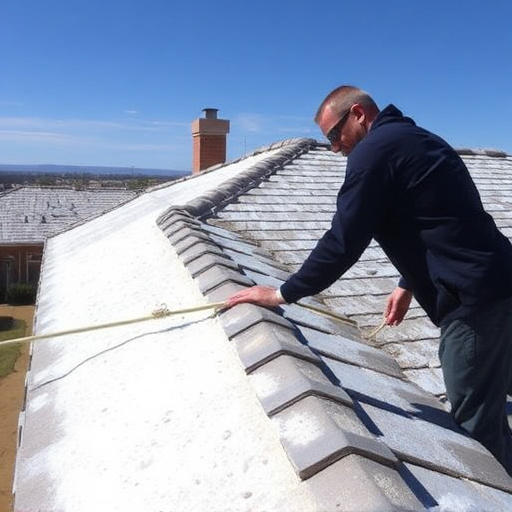
For protecting your Pueblo or Santa Fe home, spray polyurethane foam (SPF) roofing offers a durable, energy-efficient solution. This local favorite is particularly well-suited for the region's unique architectural styles, including Pueblo and territorial homes. SPF's versatility and longevity make it a top choice for both new construction and roof replacements.
One key advantage of SPF for these older homes is its ability to seamlessly adhere to existing surfaces. Unlike traditional built-up roofs that require extensive preparation, SPF can be applied directly over an old roof, minimizing disruption and saving time and money. However, it's crucial to assess the condition of the existing roof. If there's significant damage or leaking, a complete tear-off might be necessary before applying SPF. A licensed Oro Valley area roofing contractor can provide expert guidance on the best approach based on your home's specific needs.
While SPF is known for its durability, regular maintenance is essential to ensure its longevity. One common question homeowners ask is, "how often do I need to recoat my foam roof?" In areas prone to severe weather, such as Oro Valley, a recoat every 5 to 7 years is typically recommended. Recoating involves applying a fresh layer of SPF to fill in any gaps or imperfections and provide continued protection against elements like hail, ponding, and UV rays. A foam roof recoat after hail can prevent damage and maintain the energy-saving properties of the original install.
Choosing the Right Foam for Your Style

When considering a foam roof for your Pueblo, Santa Fe, or territorial-style home, selecting the right foam is crucial for both aesthetics and functionality. These architectural styles, with their unique details and climates, require tailored roofing solutions. The traditional Pueblo and Santa Fe homes often feature low-sloped roofs with extended eaves, while territorial-style homes might have steeper slopes. Each design presents specific challenges and opportunities for foam roofing.
The first step is understanding that not all foam roofs are created equal. Polyurethane foam, for example, comes in various densities and R-values, each offering distinct performance benefits. For these historic and culturally significant structures, a lighter foam with a higher R-value can be advantageous. This ensures the roof provides excellent insulation without adding excessive weight, which could be a concern with older buildings. Choosing the right foam can prevent common issues like blisters, which can form due to improper application or extreme temperature changes. A reputable Oro Valley roof specialist will guide you in selecting a foam that resists blisters and maintains its integrity over time.
After a storm, whether it's a hail event or heavy winds, your roof might require a foam recoat. In fact, many experts recommend a foam roof recoat after hail to ensure the best protection and longevity. This process involves applying a fresh layer of foam over the existing roof, sealing any damage and providing an extra layer of defense against future storms. In areas prone to monsoon rains, a well-maintained foam roof can significantly reduce water damage, ensuring your home stays dry and comfortable.
Remember, the key to a successful foam roof installation or recoat lies in hiring a qualified contractor who understands the unique requirements of these styles. They will ensure proper drainage with strategic canal design, address potential foot traffic damage by selecting durable foams, and provide long-term warranties and upkeep guidance. An experienced Oro Valley roof specialist can offer tailored solutions, ensuring your foam roof not only enhances the beauty of your home but also stands the test of time.
Preparation & Installation: A Step-by-Step Guide

Preparing and installing a spray polyurethane foam (SPF) roof on a Pueblo, Santa Fe, or territorial style home involves careful consideration and a systematic approach. This method, known for its energy-saving properties and durability, requires specific steps to ensure a successful recoat, especially in areas prone to hail like Oro Valley, Marana, and their surroundings.
First, assess the current state of the roof. If the home has an old SPF layer, a thorough inspection is crucial. Look for signs of damage, such as blisters, cracks, or separation from the deck. In areas with frequent hail, a damaged roof can pose significant risks. A local roofing company serving Oro Valley recommends removing the old layer if it's compromised, as a proper recoat relies on a clean, solid surface. This process involves careful scraping and cleaning to prepare the roof for the new coating.
Next, establish a drainage system. Proper water management is vital for SPF roofs. Tapered foam, designed with a slight slope, helps direct water away from the roof's perimeter and into drains or gutters. This simple step prevents ponding, a common issue with flat roofs, and promotes the roof's longevity. Once the drainage is in place, apply a primer to enhance adhesion. This step is particularly important for older roofs or those with history of leaks, ensuring the new SPF layer bonds securely. After the primer dries, carefully apply the new SPF coating, following the manufacturer's guidelines for thickness and application techniques.
For areas like Oro Valley and Marana, where monsoon rains can be intense, consider an additional protective layer. A topcoat, often elastomeric or silicone, provides extra resistance against UV rays and weather changes. This step, while not always necessary, can extend the roof's lifespan, especially after a hail event. Regular inspections and timely recoats, including after hail storms, are key to maintaining the energy savings and structural integrity of SPF roofs on these unique architectural styles.
Foam Roof Recoat: Protecting Against Hail Damage Naturally
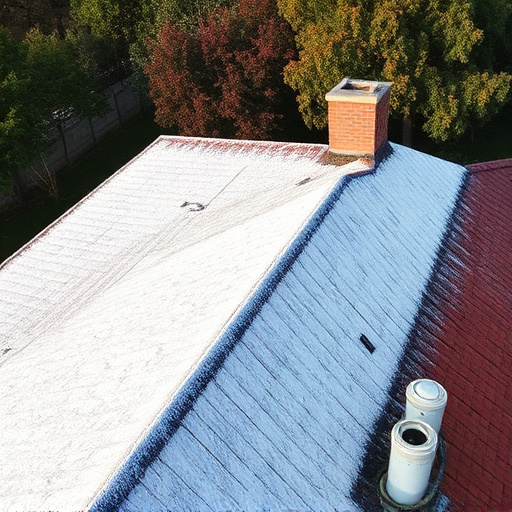
For many homeowners in the Oro Valley area, including Marana and the Catalina Foothills, the unique architectural style of Pueblo and Santa Fe homes presents both a design challenge and an opportunity to enhance energy efficiency. For protecting these historic structures from the elements, particularly hail, a foam roof recoat emerges as a natural and effective solution. This approach not only extends the life of the roof but also offers a sustainable, long-term strategy for preservation.
Hail can cause significant damage to a roof, especially to older or untreated foam roofs. Recognizing this, many homeowners opt for a foam roof recoat after hail events. This process involves applying a new layer of spray polyurethane foam (SPF) over the existing roof. SPF, a popular choice for commercial and residential buildings alike, excels in resisting hail impact due to its elastic properties. A licensed Arizona roofer can determine the best course of action after an inspection, which might include a full replacement or a targeted recoat. In many cases, a recoat is a cost-effective, environmentally friendly alternative to a complete tear-off.
The benefits of this method extend beyond immediate repairs. A foam roof recoat after hail naturally enhances the energy efficiency of the home, providing better insulation and reducing heating and cooling costs. This is particularly valuable in the diverse climate of Oro Valley, where temperatures can fluctuate significantly. The new layer of SPF can help protect against future hail damage, ensuring the longevity of the roof and preserving the unique character of these historic homes. A well-maintained Pueblo-style home in the Catalina Foothills, with its traditional flat roof and stucco walls, could benefit greatly from a foam roof recoat, offering both aesthetic preservation and practical protection against the elements.
Frequently Asked Questions About a Guide to Foam Roofing on Pueblo, Santa Fe, and Territorial Style Homes
What is foam roofing, and why is it popular in the Southwest? Foam roofing, or foam insulation roofing, is a modern, energy-efficient roofing system ideal for the hot, dry climate of the Southwest. It consists of a layer of rigid foam insulation, often polyisocyanurate, bonded to a reflective metal underlayment. This system provides exceptional thermal resistance, significantly reducing heat transfer into the home, and thus lowering cooling costs. Its popularity stems from its durability, ease of installation, and the aesthetic appeal it brings to traditional Pueblo, Santa Fe, and territorial-style homes.
Is foam roofing suitable for all types of roofs? While foam roofing is versatile, it performs best on pitched roofs with a minimum slope of 30 degrees. Its adhesive properties ensure a strong bond with various underlayments, but steep or flat roofs might require additional support structures for optimal performance. Consult a professional roofer to assess your roof's suitability.
How does foam roofing differ from traditional roofing materials? Foam roofing offers significant advantages over traditional materials like tar and gravel or tile. It's lighter weight, making installation easier and reducing structural load. Foam also provides better insulation, contributing to energy efficiency. It's highly reflective, reducing the need for additional cooling measures during the hot summer months.
Are there any maintenance considerations with foam roofing? Compared to other roofing systems, foam roofing requires minimal maintenance. It's resistant to moisture, mold, and pests. However, regular inspections are crucial to ensure the underlayment remains intact and the foam isn't damaged by extreme weather conditions. Minor repairs or replacements can be done easily by a qualified contractor.
Can foam roofing be installed over an existing roof? Yes, foam roofing can often be installed over existing roofs, making it an attractive option for homeowners looking to improve energy efficiency without a complete roof replacement. However, the current roof structure must be in good condition, and an expert should assess the feasibility and provide a detailed cost estimate.
How long does foam roofing typically last? With proper installation and maintenance, foam roofing systems can last for 20 years or more. The long lifespan is attributable to their durability, resistance to weathering, and the protective layer they provide against extreme temperatures. Regular inspections and prompt repair of any damage will help ensure the longevity of your foam roof.
When making a decision about foam roofing for your Pueblo, Santa Fe, or territorial style home, remember several key insights. First, understanding the unique characteristics of these architectural styles, and selecting the right foam type, are crucial for a successful install. The step-by-step preparation and installation guide ensures a solid foundation, while a strategic foam roof recoat after hail can provide natural protection against damaging weather events. This natural, long-lasting solution extends the lifespan of your roof and, by using modern materials, enhances energy efficiency.
By prioritizing these elements, homeowners can enjoy a durable, low-maintenance roof that complements their property's distinctive aesthetic. This practical approach, backed by expert knowledge from the National Roofing Contractors Association and the Master Roofers Guild, positions you to make informed choices that preserve your home's value and protect it from the elements for years to come.
When protecting Pueblo, Santa Fe, or territorial-style homes in Oro Valley, SPF roofing offers a durable, energy-efficient solution. Regular maintenance, including a recommended recoat every 5-7 years, ensures longevity. After hail, a foam roof recoat is crucial for protection and energy savings. Choose the right foam density and R-value for your home's unique style and climate. Inspect for damage, establish drainage, apply a primer, and coat with new SPF for successful installation or recoat. For historic preservation, a foam roof recoat after hail naturally enhances energy efficiency and protects these unique structures.