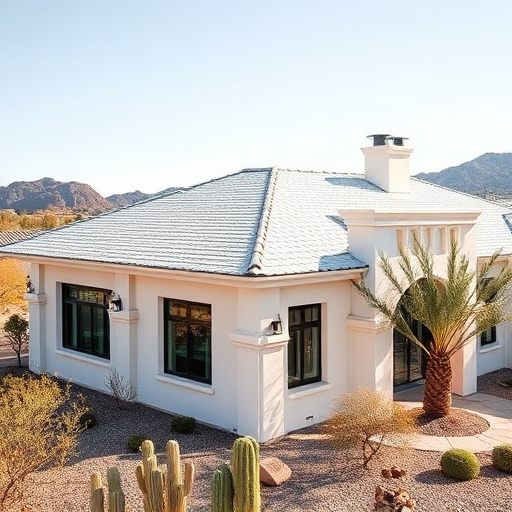
In the competitive landscape of Oro Valley's home improvement market, understanding the true cost of roofing is crucial. Spray polyurethane foam (SPF) roofs, known for their energy efficiency and longevity, present a compelling option for homeowners. However, the complexity of pricing structures can be a significant barrier. This article cuts through the noise to demystify foam roofing costs in Oro Valley, focusing on the key drivers that influence your investment. We'll explore how factors like material, labor, and project complexity determine the price, while also examining the enhanced lifespan these roofs offer in Arizona's unique climate, making them a smart long-term choice for your property.
- Understanding Foam Roof Costs: A Breakdown
- Factors Affecting Foam Roof Lifespan in Arizona
- Long-Term Savings: Measuring ROI of Foam Roofing
- Maintenance, Repairs, and Extending Your Foam Roof Lifespan
Understanding Foam Roof Costs: A Breakdown
Understanding Foam Roof Costs: A Breakdown
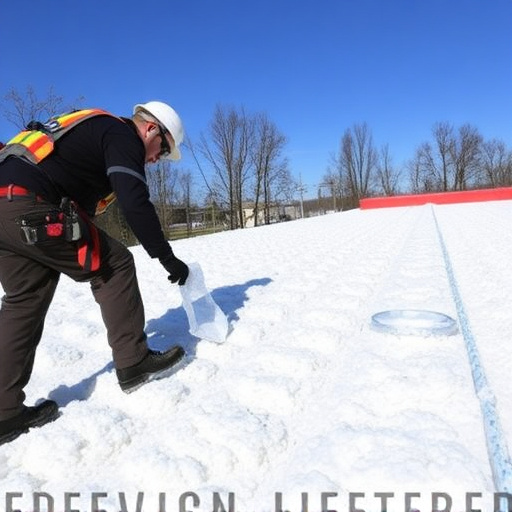
When considering a spray polyurethane foam (SPF) roof for your Oro Valley home, one of the most crucial aspects is understanding the factors that influence the overall cost. The foam roof lifespan in Arizona, for instance, varies based on several key elements. Firstly, the size and complexity of the roof play a significant role. Larger roofs with intricate designs or unusual shapes will typically have higher installation costs, as they demand more material and labor. A local roofing company serving Oro Valley might charge different rates for straightforward, rectangular roofs compared to complex, multi-level structures.
Another critical driver of foam roof costs is the current state of your existing roof. If you're replacing an old, damaged roof with SPF, the cost will likely be higher than if your current roof is in excellent condition. If your old roof has significant leaks or damage from hail or bird pecking, the new foam layer will need to be applied over a repaired or replaced deck, increasing expenses. The type of underlayment and insulation already in place can affect the cost. In some cases, a complete roof replacement might be necessary before installing SPF, extending the overall project timeline and budget.
Maintenance and upkeep also contribute to the long-term foam roof lifespan in Arizona. Regular cleaning and inspection are essential to prevent issues like algae growth, mold, and mildew, which can reduce the effectiveness of the roof and necessitate early recoating. The frequency of recoating, typically every 15 to 20 years, is another cost to consider. A well-maintained foam roof may only require a thin layer of new coating, while a neglected roof might need a complete recoat, including removing the existing layer. Proper sealing around skylights, vents, and edges is crucial to prevent leaks, and these details can add to the overall installation and maintenance costs.
Factors Affecting Foam Roof Lifespan in Arizona
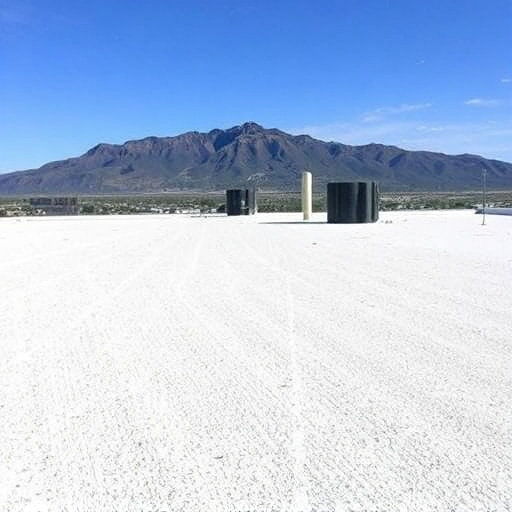
The lifespan of a foam roof in Arizona, like any roofing material, is influenced by a complex interplay of factors. While spray polyurethane foam (SPF) is renowned for its longevity, understanding these variables is crucial for homeowners to make informed decisions. Proper installation, regular maintenance, and timely repairs, such as addressing ponding or blistering, are key components in maximizing the life of an SPF roof. A well-installed foam roof with a silicone coating could last 30 years or more with the right care.
One of the most critical aspects affecting foam roof lifespan in Arizona is the local climate. The state's hot, dry summers and cold, wet winters can be harsh on roofing materials, and SPF is no exception. Prolonged sun exposure can cause the foam to deteriorate, while heavy rainfall and snow can lead to ponding, which weakens the structure over time. In areas with frequent monsoons, like Oro Valley, proper drainage through tapered foam layers is essential to prevent water damage. A roofer with an Arizona ROC license can offer expert advice tailored to the local climate and building codes.
Regular inspection and maintenance are also vital. Most professionals recommend a recoat interval of 1-3 years, depending on exposure. This process involves applying a fresh layer of foam over the existing roof to protect against wear and tear, especially in areas prone to foot traffic. Signs that a recoat might be needed include blistering, mold growth, or significant loss of the foam's R-value (insulation power). A well-maintained commercial foam roof could require a recoat every two years to maintain its energy-efficient properties.
The initial quality of the foam and its application play a significant role. Using high-quality, industry-standard foam and ensuring proper installation by certified professionals is crucial. This includes addressing issues like leaks at parapet walls and sealing around skylights, which can compromise the roof's integrity. Homeowners should opt for a thick, durable foam layer and consider edge details that promote drainage to extend the roof's lifespan.
Long-Term Savings: Measuring ROI of Foam Roofing
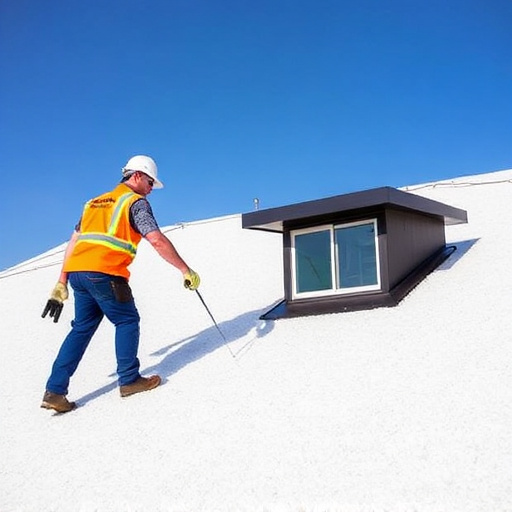
The long-term financial benefits of foam roofing in Oro Valley are a compelling argument for homeowners considering this option. When evaluating the ROI of foam roofing, it's crucial to understand that the initial investment is often offset by significant energy savings and reduced maintenance costs over the roof's lifespan. In Arizona, where extreme temperatures can strain traditional roofing materials, foam roofing offers a unique advantage. The lightweight nature of spray foam provides excellent insulation, leading to more efficient heating and cooling systems. This efficiency translates directly into lower utility bills for homeowners, making the initial cost of installation more palatable.
The decision between installing a new foam roof or repairing and recoating an existing one depends on several factors, including the age and condition of the old roof. For older homes, particularly those with traditional tar and gravel roofs, converting to foam can be a smart financial move. In the case of Santa Fe-style homes with intricate architectural details, foam roofing offers a practical solution without compromising aesthetics. A licensed Oro Valley area roofing contractor can guide homeowners through this process, recommending the best course of action based on individual needs and budgets. By understanding the long-term savings and the unique benefits of foam roofing in Arizona, homeowners can make informed decisions that protect their investment and contribute to a more sustainable future.
Maintenance, Repairs, and Extending Your Foam Roof Lifespan
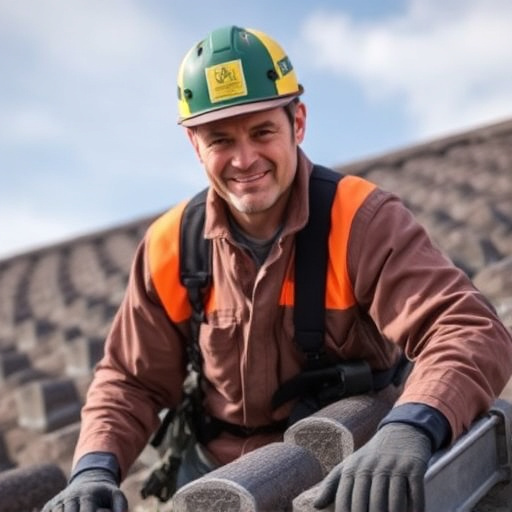
Extending the lifespan of your spray polyurethane foam (SPF) roof in Oro Valley and Marana involves more than just initial installation. Proper maintenance and timely repairs are crucial to preserving its protective qualities and energy-efficient properties, especially considering the unique challenges posed by Arizona's climate, including intense sun and monsoon rains. This section examines the key aspects of maintaining and extending your SPF roof's lifespan, focusing on practical strategies to safeguard your investment.
One of the primary concerns for any roof, but particularly SPF, is bird pecking. Birds, especially those attracted to the roof's reflective surface, can cause significant damage by constantly pecking at the foam. To mitigate this, regular inspections are recommended to identify and seal any gaps or openings where birds might nest or find entry points. A roofing contractor serving Oro Valley and Marana can help with these detailed inspections and provide solutions to deter birds, ensuring your roof remains intact.
Another issue that can shorten your foam roof's lifespan is pooling or ponding. This occurs when water accumulates on the roof's surface, often due to improper drainage or blocked gutters. Over time, standing water can weaken the foam's integrity, leading to leaks and increased vulnerability to the elements. Maintaining proper drainage systems and clearing gutters regularly are essential preventive measures. For commercial foam roofing, additional considerations like tapered foam for drainage and proper flashing around vents and chimneys become critical to preventing ponding.
While SPF roofs are known for their durability and longevity compared to built-up roofs, they still require periodic recoating to maintain optimal performance. Recoating involves applying a fresh layer of elastomeric or silicone coating to protect the foam from UV damage, extreme temperatures, and moisture. In Arizona, where UV exposure is intense, a foam roof recoat after 3-5 years is recommended. This process not only extends the roof's lifespan but also maintains its energy-saving properties, ensuring your home stays comfortable and your utility bills remain manageable.
Regular upkeep between recoats, including sealing foam around skylights and HVAC units, is crucial. These areas are particularly vulnerable to leaks and damage, and proper sealing can prevent costly repairs down the line. Being vigilant about addressing any signs of damage, such as blisters or leaks, is essential. Prompt repair work can save you from more extensive and expensive renovations in the future. By combining these maintenance practices with professional guidance from a local roofer, you can ensure your Oro Valley foam roof remains in top condition for years to come.
Frequently Asked Questions About a Plain Language Look at Foam Roofing Costs and What Drives Them
What is foam roofing and why is it popular in Oro Valley?
Foam roofing, also known as closed-cell polyisocyanurate (IC) roofing, is a modern, lightweight roofing material that offers exceptional insulation and water resistance. Its popularity in Oro Valley, and across the Southwest, stems from several key factors. First, the region's hot, sunny climate demands high-performance insulation to keep homes cool. Second, foam roofing's low weight reduces structural load, making it suitable for older homes. Lastly, its durability and long lifespan, often 30 years or more, make it a cost-effective choice for homeowners.
How much does foam roofing cost in Oro Valley?
The cost of foam roofing in Oro Valley ranges from $7 to $15 per square foot, installed. This can vary based on several factors, such as the complexity of the job, roof size, local labor rates, and the specific type of foam chosen. While it may seem more expensive upfront than traditional roofing materials, foam's energy efficiency and long-term durability often result in lower utility bills and reduced maintenance costs over the lifespan of the roof.
What are the key components that determine foam roofing cost?
Several factors influence the final cost of a foam roofing project. To the material itself, labor accounts for a significant portion of the cost. This includes the skilled labor required to prepare the roof, apply the foam, and ensure proper sealing. The complexity of the job, including any necessary repairs or unique installation challenges, also impacts labor rates. Other considerations include the type of foam used (different types have varying costs and performance characteristics), and the size and shape of the roof.
Are there any tax incentives or rebates available for foam roofing in Oro Valley?
Yes, some tax incentives and rebates are available for energy-efficient roofing options, including foam roofing, in Oro Valley and across Arizona. These programs are designed to encourage the adoption of energy-efficient technologies and can significantly reduce the overall cost of your project. It's important to check with local utilities and government agencies to learn about specific eligibility requirements and available incentives.
How long does foam roofing last, and what maintenance is required?
With proper installation and maintenance, foam roofing can last 30 years or more. Its durability stems from its closed-cell structure, which provides superior resistance to punctures, moisture, and extreme temperatures. Regular inspection and maintenance, including cleaning the roof surface and checking for signs of damage or leaks, are recommended to ensure its longevity.
Understanding the factors that influence spray polyurethane foam (SPF) roof lifespan in Arizona is crucial for homeowners. This article has illuminated several key insights: SPF's longevity is significantly impacted by installation quality, local climate conditions, and regular maintenance. By breaking down costs and analyzing lifespan drivers, homeowners can make informed decisions about investing in SPF roofing.
Long-term savings are substantial, with energy efficiency and reduced maintenance costs contributing to a positive return on investment (ROI). Proper maintenance, including timely repairs and recoating, is essential to protect against damage from foot traffic, bird droppings, and even monsoon rains. Regular inspections can help identify potential issues early on, such as leaks at parapet walls or granule loss.
Practical next steps include: consulting with local, certified SPF contractors who understand Arizona's unique conditions; scheduling routine inspections; and being proactive in addressing any signs of wear or damage. By following these guidelines, Oro Valley homeowners can extend the lifespan of their SPF roofs, enjoying the energy savings and reduced maintenance costs this innovative roofing solution offers.
Spray Polyurethane Foam (SPF) Roofs in Oro Valley: Key Considerations
- Cost Factors: Size, complexity, and existing roof condition significantly impact SPF costs. Regular maintenance and timely repairs extend the lifespan, which can last 30+ years with proper care.
- Climate Impact: Arizona's hot, dry summers and monsoon rains affect SPF performance. Proper drainage and sealing are crucial to prevent water damage.
- Maintenance and Recoating: Regular inspection, recoating (1-3 years), and sealing vulnerabilities extend the roof's lifespan. Commercial foam roofs may require recoats every 2 years.
- Long-Term Savings: SPF's energy efficiency reduces utility bills and maintenance costs, making the initial investment more viable.
- Maintenance Tips: Seal bird entry points, maintain drainage, and address damage promptly to preserve the roof's integrity.