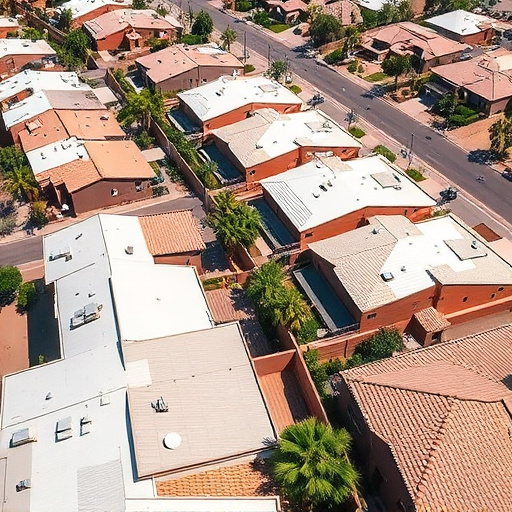
In the changing landscape of roofing, spray polyurethane foam (SPF) has emerged as a major improvement, especially for iconic architectural styles like Pueblo, Santa Fe, and territorial homes. These structures, with their unique charm, often present challenges for roofing. Traditional materials might not offer the best protection against the region's harsh weather, including powerful storms and heavy hail. Here, an SPF foam roof not only provides superior insulation and water resistance but also serves as a durable, long-lasting solution. This article examines the benefits, installation, and maintenance of SPF foam roofing, with a special focus on post-hail recovery, making your historic home resilient and energy-efficient.
- Understanding Foam Roofs for Pueblo & Santa Fe Styles
- Preparation: Evaluating Your Home's Suitability for Foam
- Installation: The Step-by-Step Process & Best Practices
- Maintenance: Foam Roof Recoat After Hail & Longevity Strategies
Understanding Foam Roofs for Pueblo & Santa Fe Styles
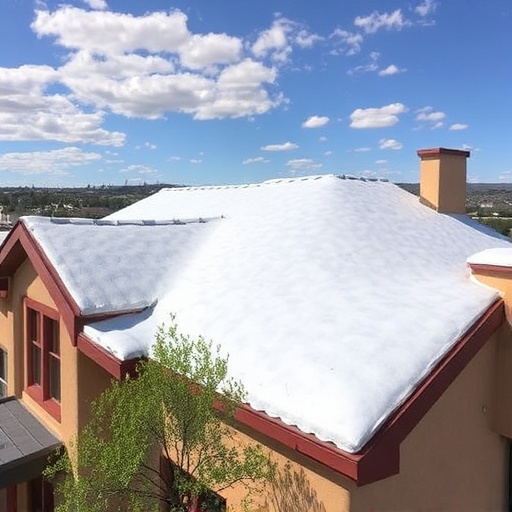
Spray polyurethane foam (SPF) roofing has become a popular choice for homeowners in the Oro Valley area, especially those with Pueblo and Santa Fe architectural styles. These iconic regional homes often feature unique rooflines and design elements that demand a specialized roofing solution, and SPF offers a durable, energy-efficient option. When considering a foam roof, it's crucial to understand the material's properties and its suitability for these specific home types, especially after experiencing weather events like hail.
The rugged landscapes of the Catalina Foothills, a common setting for Pueblo-style homes, bring unique challenges. The region's diverse climate includes hot summers and cold winters, with occasional hailstorms. A well-installed SPF roof can withstand these conditions, providing superior protection. Unlike traditional built-up roofs, foam roofs are less prone to damage from hail and extreme weather. However, proper maintenance is essential, especially after such events. One key aspect to consider is the foam roof recoat after hail. A licensed Arizona roofer with an ROC license recommends inspecting the roof for any damage and applying a fresh coat of SPF if necessary to ensure the roof's longevity.
Bird damage is another concern, particularly with Santa Fe-style homes' intricate designs. The intricate tiles and metalwork can attract pecking birds, leading to unsightly damage. SPF roofs, especially those with a protective coating, can offer a solution. Elastomeric or silicone coatings not only enhance the roof's durability but also act as a deterrent to bird pecking. The smooth surface of SPF roofs reduces the risk of granules being dislodged by birds, a common issue with traditional tar and gravel roofs. This is especially beneficial in areas with a high bird population, like the Oro Valley region.
For maintaining the aesthetics of Pueblo and Santa Fe homes, the foam coating colors and reflectivity play a role. SPF roofs can be customized to match the home's color scheme, ensuring a seamless look. The reflective properties of the foam can also contribute to energy savings by reflecting sunlight, which is particularly advantageous in the sunny Arizona climate. Understanding the unique qualities of SPF roofing, including its ability to withstand local weather patterns and protect against bird damage, is essential for homeowners in the Oro Valley area looking to preserve the beauty and integrity of their Pueblo and Santa Fe-style homes.
Preparation: Evaluating Your Home's Suitability for Foam
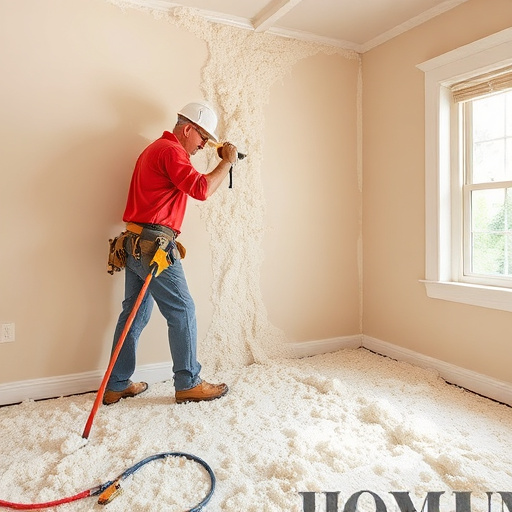
Evaluating Your Home's Suitability for a Foam Roof
Before considering a foam roof, especially after a hail event in Marana or the Catalina Foothills, it's crucial to ensure your home is a good candidate for this unique roofing solution. Unlike traditional built-up roofs, foam roofing is not a one-size-fits-all option. Proper preparation involves a detailed assessment of your home's structure, current roofing, and local environmental factors.
If your home has an old, damaged roof, a complete tear-off might be necessary before applying a foam layer. This process involves removing the existing roof down to the sheathing, which provides a clean slate for the new foam installation. In areas prone to hail, like Oro Valley, a roofer with an Arizona ROC license will assess the potential damage and advise on the best course of action, often recommending a robust, hail-resistant foam coating rather than a simple recoat.
Factors like drainage and foot traffic must be considered. Spray foam roofs require adequate drainage to prevent water pooling, which can lead to structural issues. Proper edge detailing and tapered foam applications are essential for effective drainage. Areas with high foot traffic require robust foam solutions to withstand wear and tear.
In the case of a hail-damaged roof, a foam recoat after proper repairs can offer excellent protection. This method provides a durable, energy-efficient barrier while minimizing the environmental impact of a complete roof replacement. Remember, each home is unique, and professional consultation is key to making the right choice for your Pueblo, Santa Fe, or territorial style home.
Installation: The Step-by-Step Process & Best Practices

Installing a foam roof on a Pueblo, Santa Fe, or territorial style home requires careful planning and expert execution. The process involves several steps designed to ensure a durable, energy-efficient, and aesthetically pleasing finish. Here's a step-by-step guide to help you understand the installation process, with a focus on best practices and common issues like blistering after hail events.
Step 1: Preparation Before applying any foam, the roof must be thoroughly inspected and prepared. This includes cleaning the roof to remove debris, grease, and other contaminants. In areas like Oro Valley and Marana, where weather conditions can vary, it's crucial to assess the roof's integrity, especially if there's evidence of previous damage, such as leaks or missing shingles. A professional contractor, like DC Roofing of Arizona, will also evaluate the existing structure to ensure the roof can support the weight of the foam.
Step 2: Application Foam roofing typically involves either spraying polyurethane foam or applying it in pre-cut panels. Spraying offers a seamless, continuous layer, while panels provide a faster, more manageable installation. The foam is applied in layers, with each layer drying before the next is added. This multi-layered approach ensures even coverage and helps to seal any gaps or cracks. After the final layer is applied, the foam is allowed to cure fully, usually taking one to two days.
Step 3: Addressing Blisters and Repair One of the most common issues with foam roofs is blistering, which can occur due to rapid drying, temperature fluctuations, or poor preparation. Blisters are typically filled with a compatible foam to even out the surface. In areas prone to hail, like Oro Valley, a robust foam roof recoat after hail events is essential to protect the underlying material and maintain energy efficiency. Proper sealing around fixtures, like vents and pipes, is also crucial to prevent water intrusion and potential blistering.
Step 4: Finishing Touches Once the foam is fully cured, the roof is ready for finishing touches. This may include adding a topcoat for enhanced durability and aesthetics, as well as ensuring proper drainage by tapping out any excess foam and trimming it to create a tapered edge. The roof should then be inspected for any final adjustments, ensuring all components are sealed and secure. Regular maintenance, including inspecting for signs of damage or moisture intrusion, is crucial to maximize the lifespan of your foam roof and continue enjoying its energy-saving benefits.
Maintenance: Foam Roof Recoat After Hail & Longevity Strategies
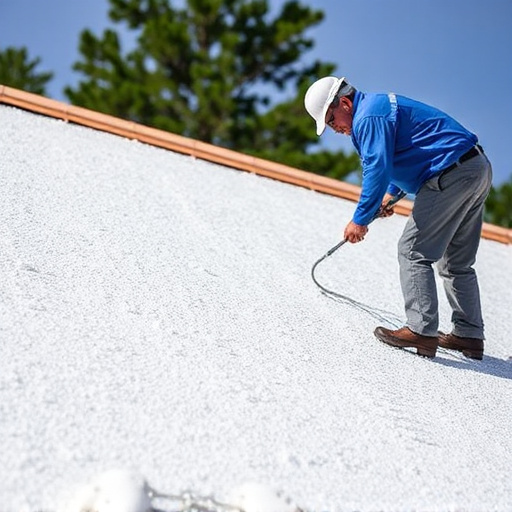
Foam roofs, while known for their durability, require regular maintenance to ensure longevity, especially in areas prone to extreme weather like Oro Valley and the surrounding regions. One critical aspect of this maintenance is understanding when and how to recoat a foam roof after hail damage. The protective polyurethane foam layer can be significantly impacted by hail, leading to blisters, cracks, or peeling. A licensed Arizona roofer recommends regular inspections to identify these issues early.
A foam roof recoat after hail is not merely a repair; it's a chance to rejuvenate the entire system. The process involves thoroughly cleaning the existing roof, repairing any severe damage, and applying a fresh layer of coating. This is particularly important in regions like Pueblo and Santa Fe where UV degradation can accelerate over time, causing the foam to lose its elasticity. Scuppers, those decorative or functional elements around the roof's edge, should be carefully examined as well, as they can be vulnerable to granule loss from strong winds and hail.
Between recoats, which typically occur every 5 to 10 years, depending on local conditions, implementing longevity strategies is key. Proper drainage systems, including tapered foam for water run-off, can prevent water pooling, a common cause of damage. Choosing the right coating type-elastomeric or silicone-based on UV exposure and temperature fluctuations can significantly extend the life of the foam. Regular maintenance, including cleaning and minor repairs, can also delay the need for a full recoat, saving both time and money in the long run.
Frequently Asked Questions About a Guide to Foam Roofing on Pueblo, Santa Fe and Territorial Style Homes
What is foam roofing and why is it popular in the Southwest? Foam roofing, specifically spray polyurethane foam (SPF), is a modern roofing solution known for its exceptional insulation properties and energy efficiency. Its popularity in the Southwest, including Pueblo and Santa Fe, stems from the region's warm, dry climate. SPF roofing forms a seamless, rigid foam layer on top of the existing roof, providing excellent thermal resistance. This makes it ideal for maintaining comfortable indoor temperatures while reducing energy costs.
Is foam roofing suitable for my Pueblo or Santa Fe home? Absolutely, foam roofing is well-suited for many homes in the region, especially those with traditional Pueblo or Santa Fe styles. These homes often feature flat or low-sloped roofs, which SPF roofing can effectively cover and protect. The versatility of foam allows it to adhere to various roof substrates, ensuring a durable and long-lasting finish.
How does foam roofing differ from traditional roofing materials? Unlike conventional roofing materials like shingles or tiles, foam roofing offers superior insulation and air sealing capabilities. SPF forms a continuous, rigid foam layer, creating a highly effective barrier against temperature fluctuations. This makes it an excellent choice for energy-efficient homes, as it helps maintain a consistent indoor temperature, reducing the load on HVAC systems.
What are the benefits of choosing foam roofing for my territorial-style home? Foam roofing provides significant advantages for territorial-style homes, which often have larger, open-concept spaces. Its excellent insulation properties contribute to better soundproofing, enhancing the overall comfort of your home. The seamless application of SPF means no more unsightly seams or gaps, preserving the aesthetic appeal of your traditional-style home.
Is foam roofing maintenance-free? While foam roofing requires minimal maintenance, it's not entirely hands-off. Regular inspection is still necessary to ensure the integrity of the foam layer and the overall roof system. Simple maintenance tasks include clearing debris from the roof surface and checking for signs of damage or moisture intrusion.
How long does the foam roofing installation process take? Most foam roofing installations in the Oro Valley area take one to two days, depending on the size and complexity of the project. DC Roofing of Arizona, a licensed local roofer, ensures efficient work, minimizing disruption to your daily routine.
Can foam roofing be installed over an existing roof? Yes, foam roofing can be applied over most existing roofs, including older ones. This makes it a practical option for homeowners looking to upgrade their roofing system without a complete replacement. However, the current roof structure must be in good condition, and proper preparation is essential for a successful installation.
Foam roofing offers a durable, energy-efficient solution for Pueblo, Santa Fe, and territorial-style homes. By understanding the benefits and unique considerations of these styles, homeowners can make informed decisions about their roofing choices. The preparation phase, evaluating your home's suitability, is crucial to ensure a successful installation. Once installed, proper maintenance is key to maximizing the lifespan of your foam roof, especially in regions prone to hail like ours. Regular inspection and timely recoating, such as after hail events, are essential practices. The step-by-step installation process, when followed by experienced local contractors, ensures a seamless and high-quality finish. With the right care, foam roofs can provide long-lasting protection, enhancing the beauty and value of these distinctive architectural styles. This guide offers valuable insights into the world of foam roofing, empowering homeowners to navigate their options confidently.
Spray Polyurethane Foam (SPF) Roofing for Pueblo and Santa Fe Homes:
- SPF roofing is a popular choice for Oro Valley area homes due to its durability and energy efficiency.
- Consider material properties and suitability for unique home types, especially after weather events like hail.
- Proper maintenance, including a fresh coat after hail, ensures long-term protection.
- SPF roofs can deter bird damage and maintain aesthetic appeal with customizable colors and reflectivity.
Evaluating Home Suitability for SPF:
- Assess roof structure, current roofing, and local environmental factors before installation.
- In hail-prone areas, a roofer recommends a robust foam coating or recoat after damage.
- Consider drainage, foot traffic, and professional consultation for the best solution.
Installing a Foam Roof:
- A step-by-step process includes preparation, application, addressing blistering, and finishing touches.
- Blisters often require filling with compatible foam, and proper sealing prevents water intrusion.
- Regular maintenance, including recoats every 5-10 years, prolongs the foam roof's lifespan.
- Recoats after hail damage, proper drainage, and UV-resistant coatings enhance performance.