The flat roof is a staple of the southern Arizona landscape, but selecting the right system for your home is crucial, especially with the region's unique climate and environmental considerations. While traditional materials like tar and gravel have long been the norm, spray polyurethane foam (SPF) has emerged as a major improvement in roofing. This innovative material offers superior insulation, reduced energy costs, and a durable, low-maintenance finish. However, understanding how SPF performs against alternatives like built-up roofs, metal, or tile is essential for homeowners. This article examines a comprehensive comparison, exploring factors like longevity, cost-effectiveness, and aesthetic appeal, with a special focus on the practical aspects of SPF's color and reflectivity, which can significantly impact a home's energy efficiency.
- Understanding Flat Roof Options in Southern Arizona
- The Advantages of Spray Polyurethane Foam (SPF)
- Material Comparison: SPF vs. Other Flat Roof Systems
- Energy Efficiency and SPF's Color Considerations
Understanding Flat Roof Options in Southern Arizona
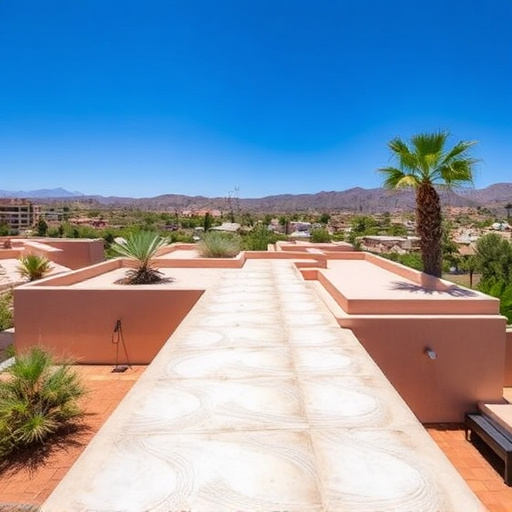
In southern Arizona, homeowners often face a crucial decision for choosing a flat roof system, especially for their Pueblo Revival-style homes. This region's unique climate and architectural preferences require a thoughtful approach to roofing, where durability, energy efficiency, and aesthetics merge. Among the various options, spray polyurethane foam (SPF) stands out for its comprehensive benefits, including exceptional R-value insulation properties.
When comparing SPF with traditional flat roof systems, such as built-up roofing or tar and gravel, the contrast in performance is notable. SPF's high R-value contributes to a more comfortable indoor environment by effectively managing temperature fluctuations, which is vital in Arizona's monsoon-prone climate. Its seamless, monolithic structure provides superior wind resistance, a critical factor in this region's occasional severe weather. A well-installed SPF roof can withstand high winds, preventing damage that might occur with inferior materials.
The beauty of SPF lies not only in its functional advantages but also in its versatility and longevity. Homeowners with Pueblo Revival homes, known for their distinct architectural lines, can benefit from SPF's ability to conform to complex roof shapes. SPF's resistance to ponding water, a common issue with low-sloping roofs, ensures that the structure remains dry and structurally sound. This is particularly important in areas prone to heavy rainfall, like southern Arizona. As for maintenance, SPF requires a recoating every 5 to 7 years, offering a cost-effective and environmentally friendly solution. Its long lifespan, combined with a wide range of coating colors and reflectivity options, allows homeowners to enhance the aesthetic appeal of their properties while maintaining a reliable, long-lasting roof.
When considering a flat roof for your southern Arizona home, especially a Pueblo Revival-style property, DC Roofing of Arizona, a locally trusted roofer, can provide expert guidance tailored to your needs. They understand the region's specific challenges and can recommend the most suitable SPF solution, ensuring your home stays protected and its roof remains a source of pride for years to come.
The Advantages of Spray Polyurethane Foam (SPF)
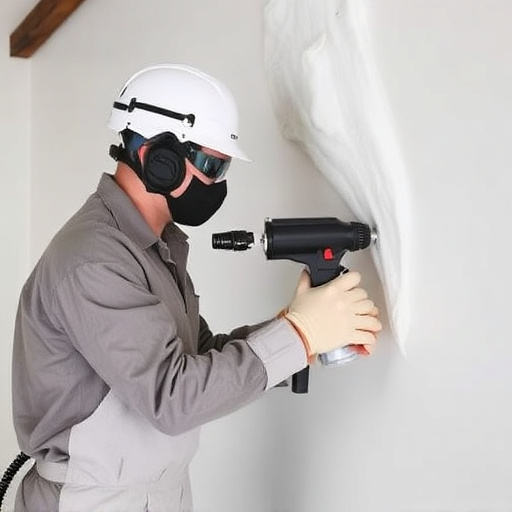
Spray Polyurethane Foam (SPF) offers several advantages when compared to other flat roof systems in southern Arizona. One of the key benefits is its superior waterproofing ability. SPF forms a seamless, monolithic layer that effectively seals all penetrations and joints, eliminating common issues like ponding and blisters that can plague other materials. In the Rancho Vistoso area, where extreme heat and monsoon rains can take a toll on roofs, SPF's quick curing properties ensure the roof remains intact and protected throughout the year.
Another notable advantage is the versatility of SPF in terms of customization. The foam coating colors and reflectivity can be tailored to suit the aesthetic preferences of homeowners while also providing added energy efficiency. Lighter-colored foams, for example, reflect more sunlight, reducing the roof's heat absorption and lowering cooling costs. This is particularly valuable in the warm climate of Oro Valley and Marana, where energy savings can translate to significant long-term benefits.
SPF's longevity and low maintenance requirements make it a cost-effective choice. With proper installation and regular recoating schedules, SPF roofs can last 20 years or more. Unlike built-up roofs or tar and gravel systems that require frequent maintenance and repairs, SPF offers a more sustainable and hassle-free option. A roofing contractor serving Oro Valley and Marana will typically recommend recoating every 5 to 7 years, depending on the roof's condition and local environmental factors, ensuring the SPF remains effective and protecting against potential leaks.
Finally, SPF's ability to conform to complex roof shapes and provide excellent insulation makes it ideal for unique architectural designs, including Pueblo-style homes. Its flexibility allows for better drainage and reduces the risk of damage from foot traffic, making it a suitable choice for both residential and commercial properties.
Material Comparison: SPF vs. Other Flat Roof Systems
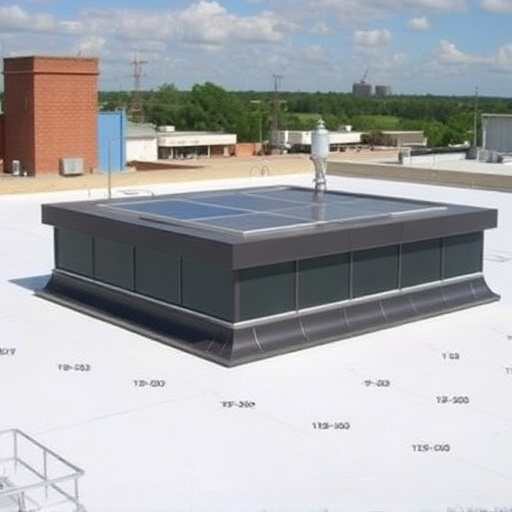
When comparing spray polyurethane foam (SPF) to other flat roof systems in southern Arizona, such as those found in Rancho Vistoso and Marana, the material's durability and energy efficiency stand out. SPF offers superior insulation properties, reducing energy costs by minimizing heat transfer through the roof. Its seamless, single-layer application eliminates cold spots and leaks common in multi-layered systems.
One key advantage of SPF lies in its ability to withstand extreme temperatures and UV degradation. Unlike traditional materials like tar and gravel, which can crack and deteriorate under intense sun exposure, SPF retains its flexibility and structural integrity. This longevity translates to reduced maintenance and repair costs, making SPF a cost-effective option in the long term.
When selecting a flat roof system, consider the visual impact as well. SPF offers a wide range of colors and reflectivity options, allowing homeowners to choose a finish that complements their home's architecture. A light-colored SPF coating can enhance energy efficiency by reflecting sunlight, while darker shades provide better night visibility. This versatility is particularly beneficial in desert climates like those found in Rancho Vistoso and Marana, where roof materials must endure harsh environmental conditions.
A roofer with an Arizona ROC license can guide homeowners through the selection process, ensuring the chosen system aligns with their needs and budget. They can also perform regular inspections and recommend recoating schedules, which typically range from 7 to 15 years, depending on factors like foot traffic and local weather patterns. Regular maintenance, such as removing granules and sealing around skylights, is crucial to maintaining the performance and longevity of any flat roof system.
Energy Efficiency and SPF's Color Considerations

The energy efficiency of a flat roof is a critical consideration for any homeowner in southern Arizona, where extreme temperatures can significantly impact a structure's energy costs. Among the various roofing systems, spray polyurethane foam (SPF) stands out for its superior insulation properties. SPF's ability to create a seamless, closed cell structure fills potential gaps and cracks, preventing heat transfer through the roof. This, in turn, reduces the load on HVAC systems, leading to substantial energy savings.
When evaluating SPF as a long-term solution, it's essential to consider its color and reflectivity. The color of the foam coating plays a crucial role in reflecting or absorbing UV radiation from the sun. Lighter colors, such as white or light grey, reflect UV light, helping to keep the building cooler and reducing the need for air conditioning. Conversely, darker colors absorb UV energy, which can lead to increased interior temperatures and higher energy costs. A local roofing company serving Oro Valley, for instance, may recommend lighter SPF coatings to maximize energy efficiency and extend the roof's lifespan. The NRCA suggests that a reflective SPF coating can decrease surface temperatures by up to 50F (28C) during the summer months.
SPF's color considerations extend to aesthetics and maintenance. While lighter colors are generally recommended for energy efficiency, darker shades can be chosen for specific design preferences. However, it's vital to understand the potential trade-offs. Darker SPF coatings may require more frequent cleaning due to increased UV degradation and bird pecking, which can lead to color fading and loss of reflectivity over time. Regular maintenance, including cleaning and recoating, is essential to preserve the energy-saving properties of SPF. This involves inspecting the roof for any blisters, tears, or damage, and applying a new layer of coating as needed. The recommended recoating schedule for SPF roofs in southern Arizona is generally every 5 to 7 years, but this can vary based on the roof's condition and exposure to environmental factors.
To ensure optimal energy performance, homeowners should consult with experienced roofers who can guide them in choosing the right SPF coating color and maintain the roof effectively. Regular inspections, timely recoating, and proper maintenance practices will contribute to a long-lasting, energy-efficient SPF roof that minimizes UV degradation and bird damage. By prioritizing these factors, homeowners can enjoy the numerous benefits of SPF roofing for years to come.
Frequently Asked Questions About a comparison of foam with other flat roof systems used on southern Arizona homes
What is spray polyurethane foam (SPF) and why is it considered for flat roofs in southern Arizona?
SPF is a single-component, fast-curing foam that forms a continuous, air-tight barrier when applied to a roof deck. It's ideal for southern Arizona's flat roofs because it offers superior insulation, prevents leaks, and is highly resistant to extreme temperatures. SPF's lightweight nature reduces structural load, making it a cost-effective and energy-efficient choice. It's also environmentally friendly as it has a low environmental impact and can be recycled.
How does SPF compare to other flat roof systems in terms of cost?
While the initial cost of SPF can be higher than traditional materials like tar or TPO (thermoplastic olefin), its long-term benefits make it a cost-effective choice. SPF's durability, insulation properties, and reduced maintenance needs can lead to significant savings over the roof's lifespan. DC Roofing of Arizona, a local Oro Valley contractor, often finds that SPF's long-term performance justifies its initial investment.
What are the advantages of SPF over other flat roof materials in hot climates like southern Arizona?
SPF excels in hot climates due to its exceptional insulation properties. It helps regulate indoor temperatures by preventing heat transfer through the roof, keeping homes cooler and reducing cooling costs. Unlike some materials that can become brittle in extreme heat, SPF maintains its flexibility and durability, ensuring a long-lasting, leak-free roof.
Are there any downsides to using SPF for flat roofs?
While SPF has many advantages, a few potential drawbacks include its sensitivity to moisture during application and the need for professional installation. Improper installation can lead to issues like blistering or settlement.
How long does SPF roofing typically last?
SPF roofs are highly durable and can last 20 years or more with proper installation and maintenance. In southern Arizona's climate, SPF's resistance to extreme temperatures and UV exposure contributes to its longevity. Regular inspections and maintenance, such as cleaning the roof, can further extend its lifespan.
What is the environmental impact of SPF roofing?
SPF has a relatively low environmental impact. It is made from renewable resources, has a low carbon footprint, and can be recycled. By reducing energy consumption due to improved insulation, SPF contributes to a smaller carbon footprint for the building it covers.
This comprehensive comparison reveals the distinct advantages of spray polyurethane foam (SPF) as a flat roof solution in southern Arizona. SPF's superior energy efficiency, lightweight nature, and exceptional insulation properties make it a top choice for homeowners seeking to reduce utility costs and improve building performance. The article highlights the durability of SPF, particularly its resistance to punctures and leaks, even when installed over an old roof or in areas prone to heavy foot traffic.
Compared to traditional built-up roofing, SPF offers faster installation times, minimal waste, and a more environmentally friendly process. The long lifespan of SPF, coupled with its ability to withstand the harsh conditions of Arizona's monsoon season, ensures a durable and low-maintenance roof. The color considerations of SPF, including its coating options for enhanced reflectivity, allow homeowners to customize their roof's appearance while further reducing heat absorption and energy costs.
For southern Arizona residents, the key takeaways are clear: SPF provides an innovative, efficient, and sustainable roofing option. The expert advice and services of local roofer specialists, like those within the Oro Valley Rooftop Experts and the Master Roofers Guild, can guide homeowners through the selection, installation, and maintenance of SPF, ensuring a high-quality, long-lasting roof.
In southern Arizona, spray polyurethane foam (SPF) stands out as a superior flat roof system for several reasons. It offers exceptional insulation, managing temperature fluctuations in the monsoon climate, and superior wind resistance, protecting against severe weather. SPF's seamless structure, high R-value, and resistance to ponding water make it ideal for complex roof shapes, including Pueblo Revival-style homes. With low maintenance, a long lifespan, and customizable foam coating colors and reflectivity, SPF is a cost-effective, aesthetically pleasing, and reliable choice. Local roofing specialists can guide homeowners in selecting the best SPF solution, ensuring a protected and proud home for years to come.