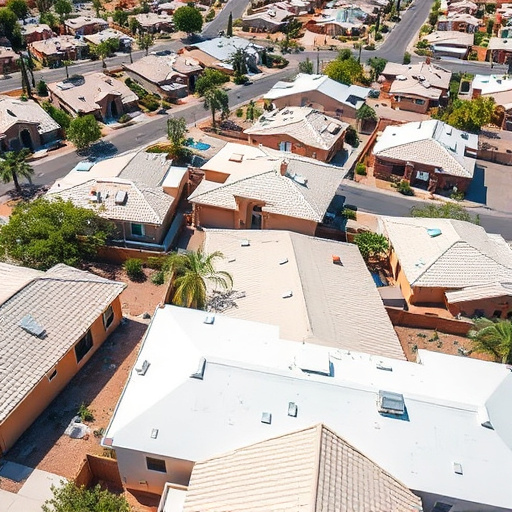
In Oro Valley, the flat foam roof has emerged as a popular and efficient roofing solution for homeowners, offering excellent insulation and energy savings. However, like any roofing material, foam requires regular care and maintenance to ensure its longevity. One of the most crucial tasks is understanding when a foam roof needs recoating. Signs like blisters, peeling, or discolored spots are indicators that your foam roof may be in need of attention. This article provides a practical guide, backed by expert knowledge, to help you identify these signs and ensure your foam roof remains in top condition, protecting your home from the elements and maintaining its aesthetic appeal.
- Understanding Flat Foam Roofs in Oro Valley
- Evaluating Your Roof's Condition and Age
- When and Why Recoating is Necessary
- The Step-by-Step Process for Recoating
Understanding Flat Foam Roofs in Oro Valley
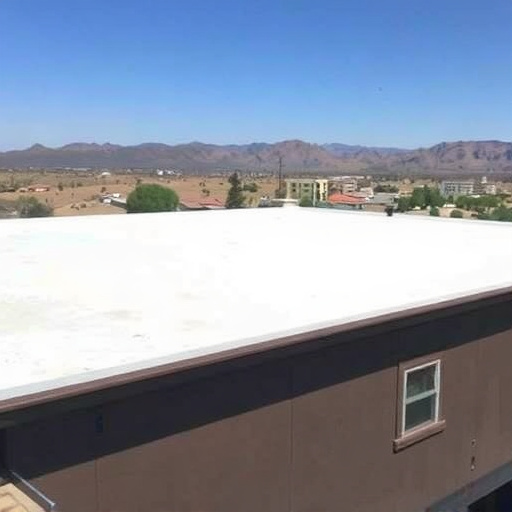
In Oro Valley, where the distinctive Pueblo Revival architecture is a sign of the region's rich history, homeowners often turn to innovative and efficient roofing solutions. One such option gaining popularity is the flat foam roof, a modern alternative to traditional built-up roofs. This type of roofing is characterized by its seamless, rigid structure created by spraying a special polymeric foam directly onto the deck. However, like any roof, it requires regular maintenance to ensure optimal performance and longevity. Understanding when to recognize the signs that a foam roof needs recoating is crucial for Oro Valley homeowners.
Spray polyurethane foam (SPF) roofs, a common choice for flat foam applications, offer exceptional durability and energy efficiency. They can withstand the rigors of Arizona's monsoon season, but they are not invulnerable. Over time, SPF roofs may develop blisters, typically caused by moisture infiltration or rapid temperature changes. These blisters, while not always an immediate concern, can weaken the overall structure if left unchecked. A severely blistered foam roof may become more susceptible to damage from heavy foot traffic or extreme weather events. Homeowners living in Pueblo Revival homes, known for their low-sloping roofs, should be particularly vigilant, as these structures are more prone to moisture-related issues.
Regular inspections are key to maintaining a healthy foam roof. Look for signs like excessive granule shedding, which could indicate a deteriorating protective surface. Check for any signs of mold or mildew, as these can be indicators of moisture infiltration. If you notice blisters, especially those larger than 1/4 inch, it's a clear sign that a recoat is necessary. DC Roofing of Arizona, a locally trusted roofing contractor, emphasizes the importance of timely intervention. This process involves applying a fresh layer of spray foam over the existing surface, ensuring the roof remains effective against the elements.
Remember, the right timing for recoating is crucial. Recoating too early might be a waste of resources, while waiting too long can lead to more extensive repairs. Homeowners should aim for a recoat every 10 to 15 years, or more frequently if the roof has been subjected to severe weather conditions or high foot traffic. By staying vigilant and heeding the signs that a foam roof needs recoating, Oro Valley residents can enjoy the benefits of this efficient and durable roofing solution for years to come.
Evaluating Your Roof's Condition and Age
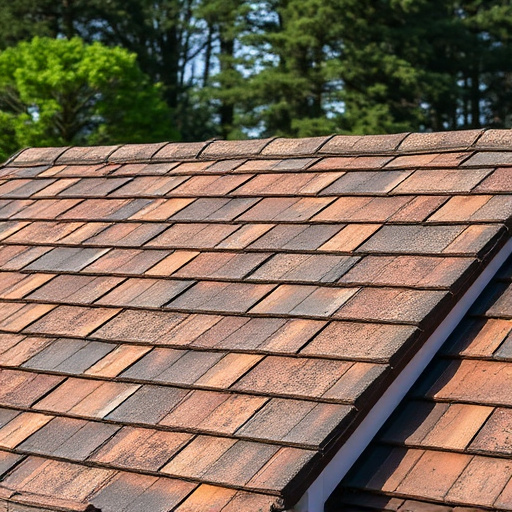
Evaluating the condition of your roof is a crucial step in maintaining your Oro Valley home, especially for flat foam roofs. In the scenic Catalina Foothills, including areas like Rancho Vistoso, these roofs are a popular choice for their energy-efficient properties. However, like any roofing material, foam requires regular attention and care. Understanding when your foam roof needs recoating is key to ensuring its longevity.
Age is a significant factor in determining a foam roof's condition. Over time, the spray polyurethane foam (SPF) can start to show signs of wear and tear, particularly in Arizona's harsh monsoon season. Blisters, for instance, are a common issue that can form due to environmental factors, including temperature changes and UV exposure. These blisters may appear as raised spots on the roof surface and can vary in size. A roofer with an Arizona ROC license advises homeowners to watch for these and other signs, such as peeling or cracking. If left unattended, these issues can lead to more severe problems, compromising the roof's integrity.
Regular inspections are essential to identifying potential issues early on. Homeowners should familiarize themselves with the typical appearance of their roof and compare it to the original installation. If you notice any significant changes, such as a decrease in reflectivity or the appearance of granules (which can indicate UV degradation), it might be time to consider a recoat. A professional roofer can assess the condition of your foam roof and provide expert advice tailored to your specific situation.
When and Why Recoating is Necessary

For many homeowners in Oro Valley, the flat, sleek look of spray foam roofing is a popular choice, especially when enhancing the unique aesthetic of Santa Fe and Pueblo Revival style homes. However, like any roofing material, foam requires regular maintenance to ensure longevity and optimal performance. One crucial aspect of upkeep is understanding when and why recoating is necessary.
Recoating, or re-applying a protective layer to the foam roof, is essential for several reasons. Over time, the foam's surface can become damaged due to various environmental factors, including intense monsoon rains and UV exposure. Bird pecking, a common problem in areas with large bird populations, can also create small holes in the foam, leading to leaks. In the case of older foam roofs, the initial protective layer may have deteriorated, making it vulnerable to water penetration and structural damage. Certain types of granule buildup on the foam's surface can reduce its reflective properties, impacting energy efficiency.
Signs that a foam roof needs recoating include increased water pooling on the surface, visible holes or tears, and a noticeable decline in the roof's reflectivity. A licensed Oro Valley area roofing contractor recommends inspecting your foam roof regularly, ideally every two years, to identify these issues early. Recoating typically involves applying a new layer of coating over the existing foam, either elastomeric or silicone, depending on the initial installation and local environmental conditions. This process not only repairs damage but also restores the roof's protective barrier, extending its lifespan and preserving the unique aesthetic of your home, whether it's a charming Santa Fe-style dwelling or a picturesque Pueblo Revival home.
The Step-by-Step Process for Recoating

Recoating a flat foam roof is a crucial step in maintaining the structural integrity and energy efficiency of your Oro Valley home, especially during the monsoon season. This process involves several key steps, each requiring careful consideration and expert execution. Understanding when and how to recoat is essential, as signs a foam roof needs recoating can often be subtle, such as blisters or the presence of roofing granules.
The first step is to thoroughly inspect the existing foam roof. Look for any signs of damage, including blisters, cracks, or areas where the foam has separated from the substrate. These can be indicators that the foam is deteriorating or has become porous, losing its protective properties. It's also important to check for the accumulation of granules on the surface, which can affect the roof's water resistance. In the case of a Pueblo Revival home, where the roof is often steeper and more intricate, these inspections become even more critical.
Once the inspection is complete, DC Roofing of Arizona, a local expert in the field, recommends planning the recoat based on the roof's condition and local climate. This might involve preparing the surface by cleaning and repairing any damage. Blisters can be punctured and sealed, and loose granules can be replaced. The contractor will then apply a new layer of coating, choosing between elastomeric or silicone options based on the specific needs of your roof. This process ensures not only a new protective barrier but also a longer lifespan for your foam roof, potentially saving you from costly repairs down the line.
After the recoat, regular maintenance becomes even more crucial. Signs a foam roof needs recoating can reemerge, and a proactive approach can prevent more serious issues. Regular checks for water damage, especially around vents and skylights, are essential. Ensuring proper drainage with tapered foam for water runoff can help prevent ponding, a common issue in monsoon weather. By following these steps and working with a qualified contractor like DC Roofing of Arizona, Oro Valley homeowners can keep their flat foam roofs in top condition.
Frequently Asked Questions About a practical guide for Oro Valley homeowners with flat foam roofs
What is the best way to identify a potential leak in a flat foam roof?
Look for discolored or blistered areas, visible cracks, or mold growth. Check for water stains on the interior ceiling and walls. A thorough visual inspection during monsoon season is crucial, as leaks often go unnoticed until water damage becomes extensive. Regular maintenance and prompt attention to small issues can prevent major repairs.
How do I know if my flat foam roof needs replacement?
The age of your roof, local weather conditions, and proper installation play significant roles. In general, flat foam roofs last 15 to 25 years. If you notice frequent leaks, water damage, or significant deterioration, replacement might be necessary. A licensed Oro Valley area roofing contractor like DC Roofing of Arizona can assess the condition and recommend solutions.
What are the benefits of a flat foam roof for my Oro Valley home?
Flat foam roofs offer excellent insulation, energy efficiency, and low maintenance. They are lightweight, making them easier to install and repair. However, their vulnerability to leaks during monsoon storms necessitates proper installation and regular inspections.
What should I do if I find a small leak in my flat foam roof?
Immediate action is key. Turn off the water supply at the main valve, then inspect the leak's source. Apply a temporary seal or patch using a compatible roofing compound. Contact a local roofing company for a professional repair, especially if the leak is persistent or widespread.
How can I prepare my home for a potential monsoon-related roof leak?
During monsoon season, check your roof regularly for signs of damage. Clear debris from gutters and downspouts to prevent clogs. Install water alarms in attics or ceilings to alert you of leaks. Ensure all vents and openings are properly sealed. Regular maintenance and proactive measures significantly reduce potential water damage.
Can I handle roof repairs myself, or should I hire a professional?
For minor repairs, such as patching small leaks, you might attempt DIY methods. However, complex repairs or replacement necessitate the expertise of a licensed roofer. A professional contractor ensures proper installation, adherence to building codes, and long-term durability, preventing future issues.
As homeowners in Oro Valley navigate the monsoon season, understanding the signs of a foam roof in need of recoating is crucial. This guide has equipped you with the knowledge to evaluate your roof's condition, highlighting the importance of addressing issues early. By learning when and why to recoat, you can extend the lifespan of your flat foam roof, a popular choice for its energy-efficient properties and durability.
The process involves several steps, each carefully planned to ensure a successful recoat. From preparing the surface and applying the new coating to ensuring proper drainage and sealing around skylights, attention to detail is key. Regular inspection is recommended, especially after extreme weather or if you notice signs of blistering or ponding.
By heeding these insights, you'll make informed decisions about your roof's upkeep. Remember, a well-maintained foam roof can offer superior protection for your Oro Valley home, contributing to its overall value and resilience.
Oro Valley homeowners with flat foam roofs should be vigilant about signs indicating the need for a recoat, such as blisters, granule shedding, and mold. Regular inspections every 10-15 years are crucial, as damage can weaken the roof. A licensed roofer should assess the condition, recommend a recoat if necessary, and apply a new protective layer. This process extends the roof's lifespan and maintains energy efficiency, especially in the monsoon season. Look for professionals like DC Roofing of Arizona for expert recoating services.