In the arid climate of southern Arizona, choosing the right roofing system can significantly impact a home's durability, energy efficiency, and long-term maintenance costs. Flat roofs, a common choice for residential properties, face unique challenges, including extreme weather and intense solar radiation. Among the various options, spray polyurethane foam (SPF) roofing has gained popularity for its exceptional performance. However, homeowners and contractors often compare SPF with other flat roof systems, such as built-up roofing and traditional tar and gravel, especially for issues like blistering, maintenance, and energy savings. This article provides an in-depth comparison, highlighting the benefits and potential drawbacks of each system, with a specific focus on foam roof blister repair and long-term sustainability, offering valuable insights for homeowners and contractors in Oro Valley and beyond.
- Understanding Flat Roof Systems in Southern Arizona
- Advantages and Challenges of Foam Roofs
- Comparing Foam to Traditional Materials
- Natural Blister Repair for Foam Roofs
Understanding Flat Roof Systems in Southern Arizona
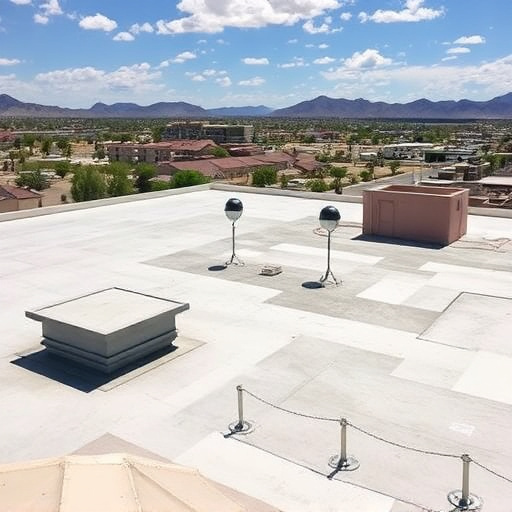
In the southern Arizona climate, flat roofs are a common choice for homeowners due to their affordability, low maintenance, and energy efficiency. Among the various flat roof systems, spray foam stands out for its versatility and performance. However, understanding the nuances of different flat roof systems is crucial for making an informed decision. This section compares spray foam with traditional alternatives, focusing on key aspects like repair, maintenance, and longevity.
Spray foam roofs, while durable, can develop blisters over time, particularly in areas with extreme temperature fluctuations. These blisters, caused by trapped moisture or underlying structural issues, require prompt attention. A licensed Arizona roofer recommends periodic inspections to identify and address blistering early. Unlike built-up roofs, which often need complete replacement, spray foam can be repaired or recoated, making it a cost-effective solution. A local roofing contractor in Oro Valley may use an acrylic elastomeric coating to patch blisters and extend the roof's lifespan. Proper maintenance includes regular cleaning to prevent ponding, which can weaken the foam's integrity, and reapplication of coating every 3 to 5 years to maintain its protective barrier.
When comparing spray foam to other flat roof systems, like roofing granules or tar and gravel, the latter often require more frequent replacement and maintenance. Granules, for instance, can be easily dislodged by strong winds or foot traffic, leading to leaks and the need for costly repairs. Spray foam, with its seamless, continuous layer, offers superior protection against such damage. The Eco-Roofing Initiative highlights the environmental benefits of spray foam, including reduced waste and lower energy consumption compared to traditional systems. In southern Arizona's monsoon season, spray foam's flexibility and drainage properties, often enhanced with tapered foam for better water flow, prove invaluable in preventing damage from heavy rainfall.
Advantages and Challenges of Foam Roofs
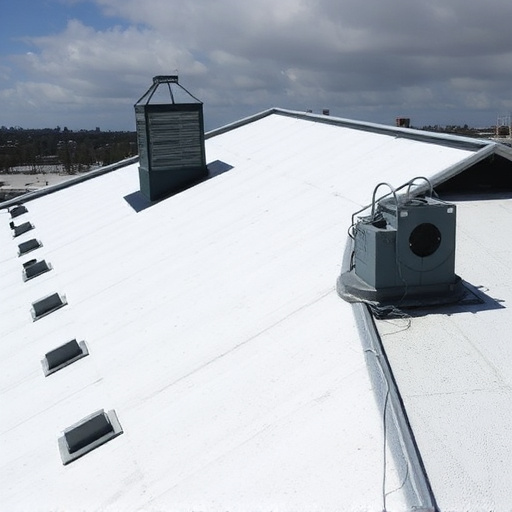
When compared to other flat roof systems, spray foam roofing offers a unique blend of advantages and challenges, particularly in the Oro Valley and Marana areas subject to monsoon rains and varying climates. Among its benefits, spray foam provides exceptional insulation, reducing energy costs and contributing to a more comfortable living environment. Its lightweight nature eases structural stress, often eliminating the need for additional supports. Spray foam's seamless, tight seal makes it highly effective against water intrusion, a common concern with traditional flat roofs.
However, spray foam faces some hurdles. One notable challenge is its susceptibility to damage from bird pecking, a problem that can lead to costly repairs or even compromise the integrity of the roof. Proper sealing around rooftop HVAC units and at parapets, where water collection may occur (a concern known as ponding), is essential to mitigate these issues. While spray foam can last 20-30 years with proper care, its longevity depends on factors like adequate recoating intervals-typically every 5 to 10 years-to prevent blisters and maintain its protective barrier. An experienced Oro Valley roof specialist recommends regular inspections to identify potential problems early, such as blistering, which can be costly to repair if left untreated. A lack of proper maintenance might lead to costly tear-off and replacement instead of a simple recoat.
Spray foam's texture and color options can be limited compared to traditional roofing materials. While modern advancements have improved color choices, the reflective qualities of the foam are generally lower, potentially impacting energy efficiency during the summer months. Despite these considerations, spray foam roofing remains a compelling option for homeowners in southern Arizona, offering both cost-effectiveness and long-term durability when installed and maintained correctly.
Comparing Foam to Traditional Materials
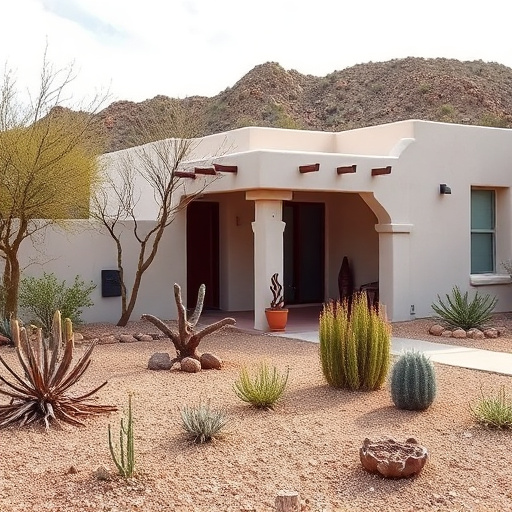
In southern Arizona, homeowners often consider various flat roof systems, particularly when restoring or replacing their roofs. Among these, spray polyurethane foam (SPF) stands out for its versatility and durability. When comparing SPF to traditional materials like tar and gravel or built-up roofing, several key factors become evident. SPF's light weight and flexibility make it ideal for homes with unique architectural styles, such as Pueblo Revival structures in Rancho Vistoso, where a traditional heavy roof might compromise structural integrity.
One significant advantage of SPF is its ability to prevent heat transfer, making it an energy-efficient choice. This characteristic can lead to substantial savings on cooling bills, a major consideration in the hot, arid climate of southern Arizona. However, SPF is not without its challenges. One common issue is the potential for blisters, which can result from improper installation or exposure to extreme temperatures. Unlike traditional materials, where blistering is less of a concern, SPF blister repair requires a meticulous approach, involving skilled hands from a roofer with an Arizona ROC license to ensure the long-term integrity of the roof.
SPF's lifespan in this region is a point of interest. While it can outlast many traditional materials, factors like bird pecking (a common issue with SPF) and ponding (water accumulation) can impact its durability. Regular maintenance, including periodic recoating, is essential to mitigate these issues. A well-maintained SPF roof on a Pueblo Revival home in Rancho Vistoso might last 20 years or more with proper care, which includes addressing bird damage and ensuring adequate drainage via tapered foam for water run-off, as well as sealing around skylights and at parapet walls. This proactive approach, coupled with regular inspections, can extend the life of any flat roof system, be it SPF or traditional.
Natural Blister Repair for Foam Roofs
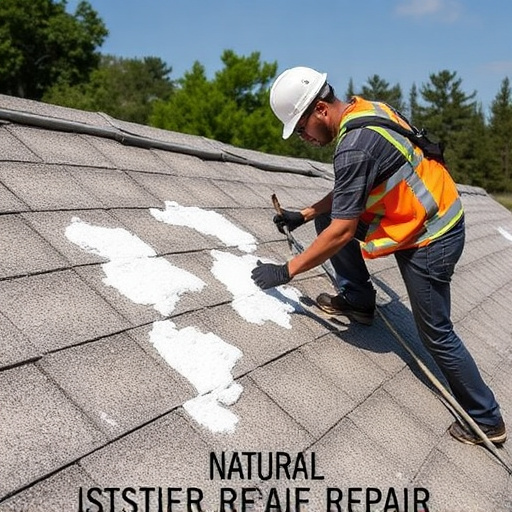
In southern Arizona, homeowners often turn to foam roofing for its superior energy savings and durability. However, like any roof system, foam roofs can develop blisters, particularly in environments subject to extreme temperature fluctuations and high humidity levels, like those found in the Santa Fe style homes common to the region. Unlike traditional roofing materials, which might require extensive tear-offs and costly replacements, natural blister repair for foam roofs offers a more sustainable and cost-effective solution.
Blisters on foam roofs are typically caused by moisture entrapment, thermal expansion, or poor installation. In the case of southern Arizona, the intense monsoon rains and high humidity can lead to moisture buildup beneath the foam layer, resulting in blisters. However, before considering a replacement, it's crucial to assess the severity of the issue. Many blisters can be repaired with the right techniques and materials. One effective natural approach involves using a high-quality, flexible sealant designed to withstand the region's climate and unique roof conditions. This method not only repairs the blister but also ensures ongoing energy efficiency, a key advantage over traditional repair techniques that often leave the roof more vulnerable to future damage.
A roofer with an Arizona ROC license will often recommend a multi-step process for natural blister repair. This starts with thorough cleaning and preparation of the affected area, removing any loose foam or debris. Then, the sealant is applied, taking care to ensure complete coverage of the blister and its perimeter. Finally, the sealant is cured, allowing it to form a strong, flexible bond that protects against future moisture intrusion. This technique is particularly effective for small to medium-sized blisters and can extend the lifespan of the foam roof, further enhancing its energy-saving benefits. For larger blisters, or when the damage is extensive, a professional evaluation is recommended to determine the best course of action, which may include a complete foam roof recoat or replacement.
To energy savings, proper blister repair can also preserve the aesthetic appeal of a home, especially when considering the unique architectural styles common in southern Arizona, like Santa Fe-inspired designs. By adopting natural blister repair techniques, homeowners can ensure their foam roofs remain functional, efficient, and visually appealing for years to come.
Frequently Asked Questions About a comparison of foam with other flat roof systems used on southern Arizona homes
What is the most common flat roof system in southern Arizona?
The flat roof is a prevalent choice in southern Arizona due to its suitability for the region's climate and building styles. Among various systems, foam roofing has emerged as a top contender. Its lightweight, water-resistant properties, and ease of installation make it a popular and cost-effective option for homeowners.
How does foam roofing compare to traditional tar-and-gravel roofs?
Foam roofing offers significant advantages over tar-and-gravel. It's lighter, cutting down on structural load and installation costs. Foam provides superior water protection, and its seamless, tight-fitting surface minimizes the risk of leaks. Foam roofing is more environmentally friendly, as it's made from organic materials and can be recycled.
What are the benefits of foam roofing over other flat roof materials?
Foam roofing's key benefits include:
- Durability: Highly resistant to tearing and punctures due to its rigid yet flexible nature.
- Waterproofing: Provides an effective, long-lasting barrier against leaks.
- Energy Efficiency: Excellent insulation properties can lower cooling costs.
- Low Maintenance: Requires minimal upkeep, saving time and money.
- Fast Installation: Easy to install, often in just one day, minimizing disruption.
Are there any drawbacks to foam roofing?
While foam roofing offers many advantages, there are a couple of potential drawbacks:
- Cost: While competitive with other flat roof systems, it can be slightly more expensive upfront than some alternatives, but its long-term benefits often outweigh the initial investment.
- Fire Risk: Some foam products may have a slightly higher flame spread index, requiring proper installation and fire safety measures.
Which factors should I consider when choosing a flat roof system?
Several factors influence your decision:
- Climate: Consider the average temperatures, rainfall, and sunlight exposure in your area.
- Building Style: Some roof designs are better suited to specific materials.
- Budget: Compare upfront costs and long-term maintenance expenses.
- Local Regulations: Check building codes and permit requirements for your region.
- Warranty: Ensure the manufacturer offers a comprehensive warranty.
Understanding the unique characteristics of flat roof systems in southern Arizona is key to making informed decisions. This article has highlighted the advantages and challenges of spray polyurethane foam (SPF) roofs, positioning it as a viable and, in many cases, superior alternative to traditional materials. We've explored how SPF's lightweight nature, excellent insulation, and rapid installation make it a top choice for eco-conscious homeowners. However, challenges like blistering due to UV exposure and foot traffic damage underscore the importance of regular maintenance.
Comparing SPF to built-up roofing and other flat systems reveals its unique benefits, including longer lifespans and superior energy efficiency. The article also offers practical insights for natural blister repair, emphasizing the importance of addressing these issues promptly to maintain the roof's integrity.
Moving forward, homeowners in Oro Valley and surrounding areas can confidently consider SPF roofing, understanding its benefits and limitations. By engaging with experienced local contractors and prioritizing regular recoats and maintenance, residents can enjoy the long-term advantages of this innovative roofing solution, even in the region's harsh conditions, with a reduced environmental impact.
In southern Arizona's diverse climate, spray foam roofing offers a blend of advantages and challenges. While durable, foam roofs can develop blisters from temperature fluctuations or moisture, requiring prompt attention. A licensed roofer recommends periodic inspections and repairs, such as applying an acrylic elastomeric coating. Proper maintenance includes regular cleaning and reapplication every 3-5 years. Compared to traditional systems, spray foam provides superior protection against damage from heavy rainfall and offers reduced waste and energy consumption. However, it's prone to bird damage and may need maintenance to mitigate ponding issues. Regular care, including natural blister repair with flexible sealants, can extend the foam roof's lifespan, preserving its energy efficiency and aesthetic appeal for unique architectural styles.