In southern Arizona, the flat roof is a key structural element for many homes, facing the harsh desert climate and extreme temperatures. The choice of roofing system can significantly impact energy efficiency, longevity, and even safety. While traditional systems like built-up roofing and tar and gravel have long been popular, spray polyurethane foam (SPF) has emerged as a modern alternative. This article examines a comprehensive comparison of SPF with other flat roof systems, focusing on durability, maintenance, and safety, particularly when considering the unique challenges of the Oro Valley area. We explore how SPF holds up against the elements, including monsoon rains, and discuss the benefits of walking on a foam roof, its energy-saving properties, and its suitability for various home styles.
- Understanding Spray Polyurethane Foam (SPF) for Flat Roofs
- Advantages of SPF: Durability, Insulation, and Cost
- Other Flat Roof Options in Southern Arizona
- Safety and Maintenance: Walking on a Foam Roof Naturally
Understanding Spray Polyurethane Foam (SPF) for Flat Roofs
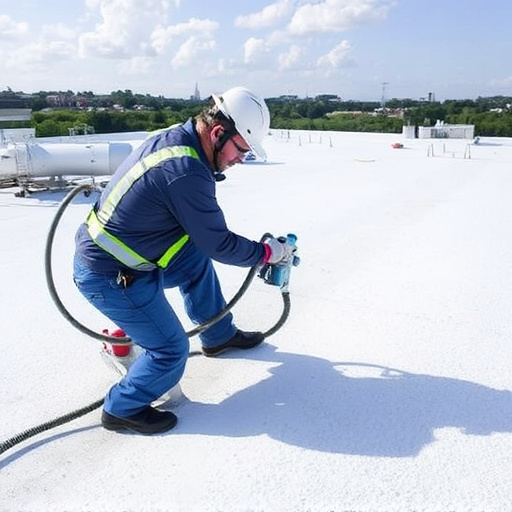
When considering flat roof solutions for southern Arizona homes, especially during the monsoon season, homeowners and property managers often turn to spray polyurethane foam (SPF) for its superior performance and longevity. SPF is a versatile material that has gained popularity among local roofing contractors serving Oro Valley and Marana, including a roofer with an Arizona ROC license. It offers distinct advantages over traditional built-up roofs and other flat roofing systems.
SPF, when installed correctly, provides exceptional durability and resistance to extreme weather conditions, a significant benefit in our region's climate. Unlike built-up roofs, which involve multiple layers of material, SPF is a single component that expands to fill the roof's surface, creating a seamless barrier. This makes it highly effective in preventing leaks and minimizing maintenance. Its lightweight nature reduces the structural load on buildings, which can be particularly important for older homes.
Walking on a foam roof is generally safe due to its rigid structure, but it's crucial to note that proper installation is key. Channels for drainage, carefully designed edges, and thorough sealing around fixtures like HVAC units and skylights are essential. These details ensure water runs off efficiently and prevent water damage, a common concern with flat roofs. Another benefit worth mentioning is SPF's resistance to bird pecking, a common issue with other materials. This makes it a practical choice for areas with significant avian activity. However, homeowners should still expect periodic inspections to maintain the foam's integrity, especially after extreme weather events or if there are signs of damage, such as blisters or leaks at parapets.
Advantages of SPF: Durability, Insulation, and Cost
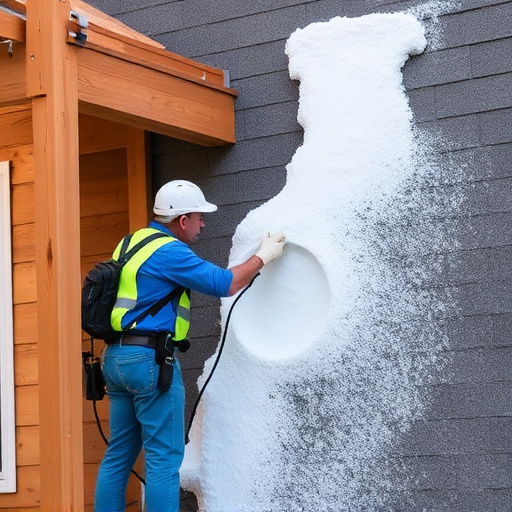
When comparing flat roof systems for homes in southern Arizona, spray polyurethane foam (SPF) offers several advantages that set it apart from traditional options. One of the most significant benefits of SPF is its exceptional durability. This versatile material can withstand extreme weather conditions, including the intense heat and sudden temperature drops during the region's monsoon season. Unlike built-up roofs, which may develop blisters and cracks over time, SPF maintains its integrity, ensuring a longer-lasting roof.
SPF provides superior insulation, making it an energy-efficient choice for Oro Valley homes. Its closed-cell structure creates a highly effective barrier against temperature transfer, reducing the need for excessive cooling or heating. This can lead to notable energy savings for homeowners, a significant advantage over traditional flat roof systems.
Cost-effectiveness is another key advantage of SPF. While the initial installation may be slightly higher than some alternatives, the long-term savings make it a worthwhile investment. SPF's longevity reduces the need for frequent repairs or replacements, saving homeowners money in the long run. Its light weight allows for easier installation and reduced structural load, potentially lowering labor costs. A licensed Oro Valley area roofing contractor may recommend SPF as a cost-efficient solution, especially for older homes where a complete tear-off and replacement might be less practical.
For walking on a foam roof, SPF offers a safe and stable surface. Its rigid yet flexible nature ensures it can support foot traffic without compromising integrity. However, it's essential to note that excessive weight or prolonged standing in one spot may still cause damage, especially on smaller or weaker sections. Proper maintenance, including regular inspections and timely recoating, can prevent issues related to bird pecking and granular loss, ensuring the roof maintains its structural integrity and aesthetic appeal.
Other Flat Roof Options in Southern Arizona
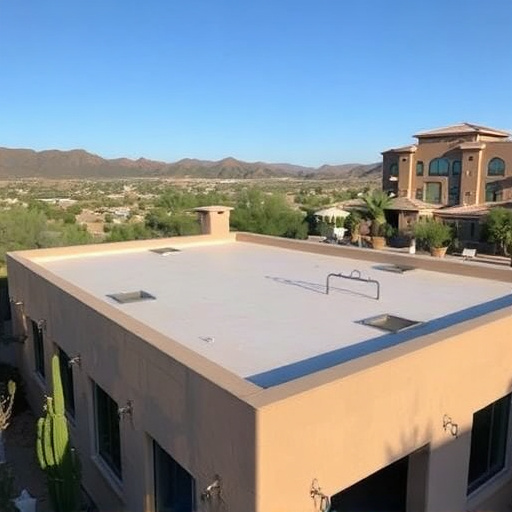
In southern Arizona, homeowners often face a crucial decision for their flat roof: what system to choose? While traditional materials like tar and gravel have long been the norm, the rise of spray polyurethane foam (SPF) as a flat roof solution is gaining traction. When considering SPF, it's essential to understand its advantages and how it compares to other options available in the region, particularly in areas like Rancho Vistoso.
One of SPF's key benefits is its durability and long lifespan. Unlike traditional materials, which can degrade over time, a well-maintained SPF roof can last for decades. This longevity translates to significant energy savings for homeowners. In southern Arizona's monsoon climate, SPF's insulation properties help regulate indoor temperatures, reducing the load on air conditioning systems. This not only lowers energy costs but also contributes to a more sustainable and environmentally friendly home.
Walking on a foam roof is a common concern, but with proper installation and maintenance, SPF can withstand foot traffic. In fact, many contractors in the Oro Valley area specialize in SPF installation and recoating, ensuring the roof's integrity for years to come. When considering a flat roof system, it's crucial to weigh the pros and cons of each option. While tar and gravel offer a proven track record, SPF's rapid installation, superior insulation, and reduced maintenance requirements make it a compelling choice for modern homes. In areas prone to heavy rain like Rancho Vistoso, SPF's flexibility and drainage properties can prevent common issues like ponding and granule loss.
Safety and Maintenance: Walking on a Foam Roof Naturally
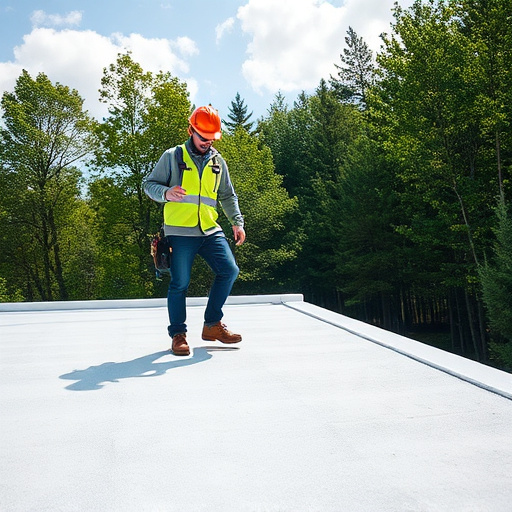
For safety and maintenance, one of the unique aspects of foam roofing is walking on it. Unlike traditional materials, a properly installed foam roof can be walked on, making it ideal for areas with heavy foot traffic like outdoor patios or access points for maintenance. However, this doesn't mean it's invincible. In areas with bird populations, like southern Arizona with its vibrant bird life, birds might peck at the foam, creating holes that could lead to leaks. Therefore, regular inspection is crucial, especially in regions with high bird activity, to ensure the foam remains intact.
The safety and longevity of a foam roof also depend on the R-value, which measures its insulation properties. Foam roofing typically offers an R-value of 1 to 3, providing excellent energy efficiency. This is particularly beneficial in Oro Valley's monsoon season, where high temperatures can quickly turn into intense rain. A well-insulated roof helps maintain a comfortable indoor temperature, reducing the load on air conditioning units and potentially lowering energy bills. A roofing contractor serving Oro Valley and Marana can advise on the best R-value for your specific needs, ensuring both energy savings and a safe, walkable surface.
To foot traffic and birds, the edge details of a foam roof play a role in its overall durability. Proper edge detailing allows for proper drainage, preventing water from pooling on the roof. This is especially important in areas prone to heavy rains, like southern Arizona, where ponding can lead to leaks over time. A reliable roofing expert can ensure these details are executed correctly, enhancing the longevity of your foam roof. Regular maintenance, including inspecting for signs of wear and tear, sealing around skylights, and recoating as needed, is also crucial for keeping your foam roof in top condition.
Frequently Asked Questions About a comparison of foam with other flat roof systems used on southern Arizona homes
What are the key advantages of using foam roofing in Oro Valley? Foam roofing offers several benefits for homes in southern Arizona. It provides excellent insulation, helping to regulate indoor temperatures during the hot monsoon season. This can lead to significant energy savings. Foam is also lightweight, making it easier and less costly to install than traditional roofing materials. Its smooth surface repels water, reducing the risk of leaks, and its flexibility allows for easy installation over complex roof shapes. Foam roofing has a long lifespan and requires minimal maintenance.
How does foam roofing compare to other flat roof systems in terms of durability? Foam roofing is renowned for its exceptional durability. When installed correctly, it can withstand extreme temperatures, heavy rainfall, and strong winds, common in the Oro Valley area. Its rigid structure provides superior wind resistance and excellent impact resistance, making it a strong choice for areas prone to hail and other weather events. Compared to other flat roof systems, foam offers a longer service life and requires less frequent replacement, contributing to its cost-effectiveness over time.
Are there any downsides to using foam roofing? While foam roofing has numerous advantages, there are some potential drawbacks. It may not be suitable for all climates; in areas with consistently high humidity, the material can expand and contract, leading to potential issues over time. Foam roofing is sensitive to fire, as it is made of flammable materials. Proper installation and fire safety measures are crucial to mitigate these risks.
What are the maintenance requirements for foam roofs? Foam roofs generally require minimal maintenance. Regular inspection is recommended to check for signs of damage or wear, especially in areas prone to extreme weather. Minor repairs can often be made easily, such as patching small holes or replacing loose foam. However, due to its durability, major repairs or replacements are infrequent.
How does foam roofing impact energy efficiency in southern Arizona homes? Foam roofing's excellent insulation properties significantly improve energy efficiency. By keeping indoor temperatures regulated, it reduces the load on cooling systems during the hot summer months. This results in lower energy bills and a smaller carbon footprint.
Can foam roofing be installed over existing flat roofs? Yes, foam roofing is designed to be installed over various surfaces, including existing flat roofs. However, proper preparation is essential. The surface must be clean, dry, and free from debris. In some cases, additional underlayment may be required for optimal performance. A professional roofer should evaluate the suitability of the existing roof and provide guidance on the best installation approach.
What are the environmental considerations of foam roofing? Foam roofing is considered an environmentally friendly option. It is made from lightweight, recycled materials and has a lower environmental impact than many traditional roofing materials. Its long lifespan reduces the need for frequent replacements, minimizing construction waste. Some foam products also contain fire-retardant additives, reducing the risk of structural fires and associated environmental impacts.
When considering a flat roof solution for your southern Arizona home, spray polyurethane foam (SPF) stands out for its unique blend of durability, superior insulation, and cost-effectiveness. SPF's longevity, even in the region's harsh conditions, makes it a wise investment. However, it's crucial to understand the maintenance requirements, especially for walking on a foam roof naturally. While SPF offers exceptional performance, other flat roof options like built-up roofs, modified bitumen, or metal also have their merits, depending on specific needs and budgets.
By comparing SPF with its alternatives, homeowners can make informed decisions. Safe and effective walking on a foam roof naturally requires understanding its edge details, ensuring proper sealing around fixtures like HVAC units and skylights, and addressing potential issues like leaks at parapet walls. Regular upkeep between recoats, typically every 5 to 10 years, is essential for maintaining its energy-efficient properties and extending its lifespan.
The article highlights the importance of professional installation, certifications, and warranties, ensuring a robust and reliable system. With the right care, foam roofs can offer excellent protection, energy savings, and peace of mind for years to come, making it a top choice for many southern Arizona residents.
In southern Arizona, spray polyurethane foam (SPF) is a top choice for flat roof solutions due to its superior durability, energy efficiency, and longevity. SPF outperforms traditional materials like built-up roofs, offering seamless protection, superior insulation, and reduced maintenance. While walking on a foam roof is generally safe with proper installation, regular inspections, and maintenance are crucial, especially in areas with high bird activity or extreme weather conditions. A licensed Oro Valley roofer can guide homeowners on SPF's benefits, R-value considerations, edge detailing, and long-term care, ensuring a safe, walkable, and durable roof.