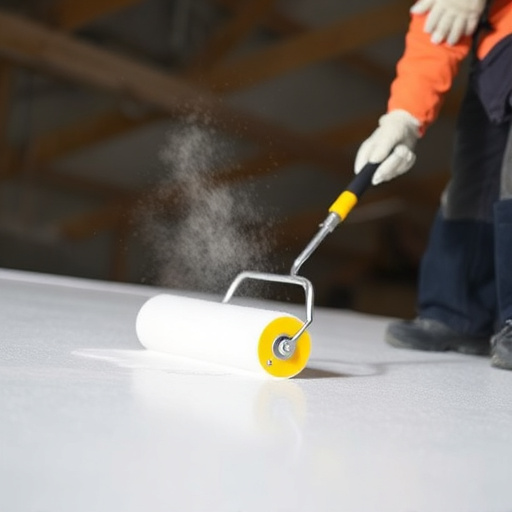
In the southern Arizona sun, homes endure a unique set of challenges for their roofing systems. The flat roof, a staple in the region's architecture, demands a durable and efficient solution to weather the elements, from intense sun and wind to occasional monsoon rains. This has led to a growing interest in spray polyurethane foam (SPF) as a viable alternative to traditional built-up roofs. However, navigating the options for flat roof solutions can be complex. This article examines a comprehensive comparison, focusing on SPF against other systems, highlighting its benefits, drawbacks, and crucial aspects like warranty and upkeep-essential knowledge for any homeowner or contractor in Oro Valley.
- Understanding Foam Roofs: Advantages and Disadvantages
- Traditional vs. Foam: Long-Term Performance in Arizona
- Installation, Warranty, and Upkeep: A Practical guide
- Choosing the Right Roof: Considerations for Southern Arizona Homes
Understanding Foam Roofs: Advantages and Disadvantages
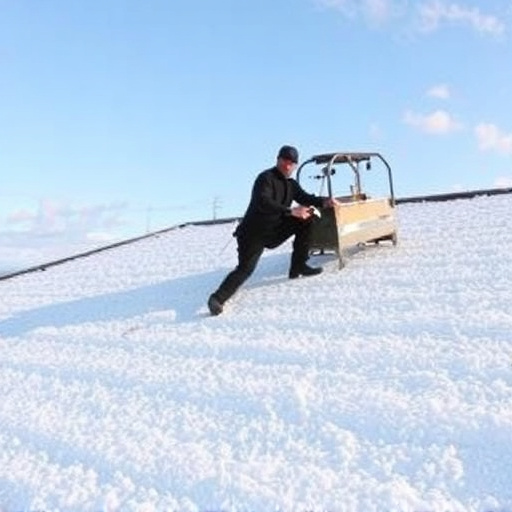
In southern Arizona, homeowners often consider various flat roof systems, particularly when aiming for energy efficiency and long-term protection. Among these, spray polyurethane foam (SPF) stands out for its unique properties. When comparing SPF with traditional alternatives like built-up roofs, understanding the advantages and potential drawbacks is crucial.
SPF offers several benefits, starting with its exceptional insulation value. This characteristic makes it an ideal choice for homes in the Catalina Foothills, where extreme temperatures can occur. Its seamless, monolithic structure minimizes water ponding, a common issue with other flat roofs, especially after monsoon rains. However, a licensed Arizona roofer will advise that SPF's durability and longevity depend on proper installation and regular maintenance. One key aspect of upkeep is the foam roof recoating schedule, which varies based on exposure to UV light and weather conditions. Unlike built-up roofs, which can last 20-30 years, SPF's lifespan in this region typically ranges from 15 to 25 years, requiring more frequent recoating.
Another advantage of SPF is its ability to resist heat transfer, leading to significant energy savings. This makes it a cost-effective option in the long term, despite the initial investment. However, homeowners should be aware of potential issues like blistering, especially in areas with high foot traffic. Blisters can form due to damage or poor installation, and they require professional repair. A heavily trafficked area might need additional support to prevent foam damage, necessitating a tailored solution. Maintaining a foam roof's aesthetic appeal involves regular cleaning to remove granules and other debris, particularly around rooftop HVAC units. Proper sealing around parapets is also crucial to prevent leaks, as these areas can be vulnerable to the elements.
Traditional vs. Foam: Long-Term Performance in Arizona

When comparing the long-term performance of spray foam roofs to traditional flat roof systems in southern Arizona, several key factors come into play. Unlike built-up roofs that rely on multiple layers of material, spray foam offers a single-layer solution that expands and hardens, providing exceptional water resistance and insulation. This unique property significantly reduces the risk of leaks, a common issue with traditional roofing systems.
In this arid climate, where extreme temperatures and intense sunlight are the norm, a foam roof's durability is put to the test. The protective foam layer, when properly installed and maintained, can withstand the harsh conditions, including bird pecking, better than other materials. Unlike roofing granules that can become loose and wash away, the seamless nature of a spray foam roof provides a consistent barrier against the elements. A well-maintained foam roof can last for over 20 years, outperforming traditional systems that may require replacement or major repairs after just 10-15 years.
Regular recoating is essential for maintaining the integrity of any roof, but the interval for foam roofs is particularly important. While a typical recoat for a traditional roof might be needed every 5-7 years, foam roofs often require a refresh every 10-15 years. This extended period is attributed to the foam's ability to adhere strongly to itself and any underlying surfaces, minimizing the risk of blisters or peeling. A roofer with an Arizona ROC license recommends inspecting foam roofs annually for signs of damage or deterioration, ensuring timely recoating and extending the roof's lifespan.
The benefits of a foam roof are further enhanced by its energy-efficient properties. By creating a nearly impenetrable barrier against heat transfer, spray foam significantly reduces the need for air conditioning, leading to substantial energy savings. This advantage becomes increasingly valuable in the summer months when extreme heat can be a regular occurrence. The long-term cost-effectiveness of foam roofing is evident when considering its low maintenance requirements and the potential reduction in energy bills over the roof's lifespan.
Installation, Warranty, and Upkeep: A Practical guide

When comparing foam roofing to other flat roof systems in southern Arizona, like those found in Rancho Vistoso, understanding the installation, warranty, and upkeep is crucial. Spray polyurethane foam (SPF) installation requires skilled professionals who can apply the material correctly to ensure a watertight seal and long-lasting performance. Unlike built-up roofs, SPF is installed in one layer, simplifying the process and reducing labor costs.
SPF roofing offers a robust warranty, typically covering materials and labor for up to 20 years, depending on the manufacturer. DC Roofing of Arizona, a licensed Oro Valley area roofing contractor, emphasizes the importance of adhering to manufacturer guidelines for recoating, which involves applying a fresh layer of SPF over the existing roof to extend its lifespan. Recoating is recommended every 5 to 10 years, depending on exposure to UV light and weather conditions. Regular maintenance, including inspecting for signs of damage or blistering, ensures the longevity of the SPF roof.
While SPF requires minimal upkeep, there are specific considerations. Foot traffic on the roof should be limited to avoid damaging the fragile material, and proper sealing around fixtures like skylights and HVAC units is essential to prevent leaks. Like any roof, SPF can be susceptible to damage from extreme weather, such as monsoon rains and hail. In these cases, a timely recoat can be crucial for repair, extending the life of the roof. A well-maintained SPF roof in Rancho Vistoso might last 20 years or more with proper care, providing a durable and energy-efficient solution for southern Arizona homes.
Choosing the Right Roof: Considerations for Southern Arizona Homes
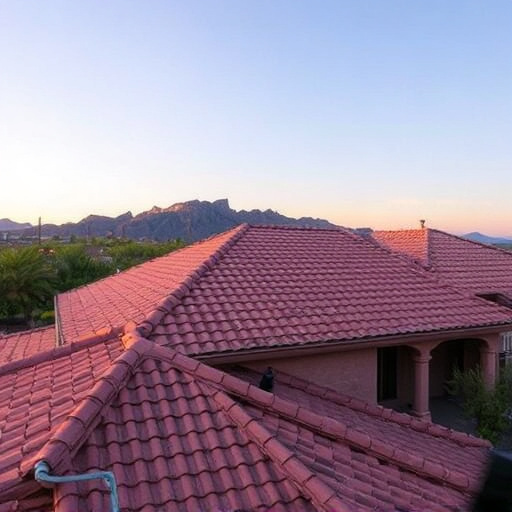
Choosing the ideal roof system for southern Arizona homes involves considering the unique climate, local building styles, and long-term sustainability. When compared to traditional flat roof options, spray foam roofing offers a compelling solution. Its seamless, monolithic structure provides superior insulation, reducing energy costs and minimizing interior noise. A licensed Oro Valley area roofing contractor can ensure a tailored installation that complements the region's distinctive architecture, such as the Santa Fe style homes prevalent in the area.
One of the key advantages of foam roofing is its longevity. With proper upkeep, a well-installed foam roof can last for decades, outperforming many other flat roof materials. This durability is further enhanced by a robust warranty, offering peace of mind and long-term cost savings. However, maintaining this warranty requires regular inspection and timely recoating, typically every 5 to 10 years. Regular checks for signs of wear, like blistering or damage from bird pecks, are crucial. Bird activity can create small holes that, if left unsealed, could compromise the roof's integrity.
When comparing foam to other materials, consider its versatility and environmental benefits. Unlike tar and gravel roofs, foam doesn't require a complete tear-off when replacing an old system. It can be applied over existing structures, making it a cost-effective and less disruptive option. Foam's self-leveling properties eliminate the need for complex underlayments, simplifying installation and reducing material waste. In regions with monsoon rains, a well-designed foam roof with tapered edges for drainage can effectively manage water flow, preventing ponding and associated structural issues.
Frequently Asked Questions About a comparison of foam with other flat roof systems used on southern Arizona homes
What is spray polyurethane foam (SPF) and how is it used in roofing?
SPF is a versatile, closed-cell polyurethane foam that acts as both a roof deck and an insulation material. It's sprayed directly onto a prepared roof surface, expanding and hardening to fill gaps and create a smooth, continuous barrier. SPF offers exceptional thermal efficiency, air tightness, and wind resistance, making it a popular choice for flat roofs in southern Arizona's unique climate. Its lightweight nature also reduces the load on structures, potentially lowering installation costs.
How does SPF compare to traditional flat roof materials like tar and gravel?
While tar and gravel roofs have long been the standard, SPF offers several advantages. It's significantly lighter, leading to reduced installation and maintenance costs over time. SPF is also more environmentally friendly, as it's made from organic materials and can be recycled. It provides better insulation than tar and gravel, contributing to lower energy bills. SPF's seamless, rigid surface resists pooling water and offers superior protection against leaks.
Are there any downsides to using SPF for roofing in southern Arizona?
SPF's effectiveness relies on proper installation. In southern Arizona's intense sunlight, it's crucial to ensure the foam is adequately protected from UV damage. Regular maintenance, including reapplication of a protective coating, is necessary to preserve its performance. While SPF is generally quiet, it may not be the best choice for homes near airports due to its potential for noise transmission.
How long does a spray polyurethane foam roof typically last?
With proper installation and maintenance, SPF roofs can last 20-30 years or more. The longevity depends on factors like exposure to UV light, weather patterns, and regular inspections and repairs.
Is SPF a good option for historic or older homes in southern Arizona?
SPF's versatility makes it suitable for a range of roof types, including historic structures. It can be applied over existing roofs, minimizing disruption and preserving the original architectural character. However, it's important to consult with a qualified roofing contractor experienced in working with historic buildings to ensure a compatible installation.
How much does a spray polyurethane foam roof cost in southern Arizona?
The cost of an SPF roof varies depending on the size and complexity of the project, as well as local labor rates. It is generally more affordable than traditional tar and gravel roofs, but it's crucial to obtain detailed quotes from several reputable contractors for accurate pricing information.
Where can I find a qualified contractor to install or repair an SPF roof in southern Arizona?
DC Roofing of Arizona, a licensed Oro Valley area roofing contractor, is experienced in SPF installations and repairs. They can provide expert advice, free estimates, and quality workmanship. Be sure to check an Arizona ROC license to ensure the contractor is properly certified.
The comparison of foam roofing with other flat systems in southern Arizona highlights several key insights. Foam roofs, like those from DC Roofing of Arizona, offer significant advantages such as superior insulation, lightweight design, and reduced energy costs. However, they also present challenges like potential blistering, foot traffic damage, and the need for proper upkeep, including regular recoating.
Compared to traditional built-up roofing, foam demonstrates longevity in Arizona's harsh conditions, with the right installation and maintenance. This long-term performance makes foam a compelling choice for southern Arizona homes, where extreme heat and monsoon rains can take a toll on other materials.
The article's guide to installation, warranty, and upkeep is invaluable for property owners and contractors alike. By understanding the foam roof warranty and upkeep requirements, professionals can ensure the longevity and performance of these systems. Regular inspections and timely recoating, as recommended by the National Roofing Contractors Association, are crucial to preventing leaks and maintaining the system's effectiveness.
When considering a new roof or reworking an old one, foam roofing offers a balance of durability, energy efficiency, and cost-effectiveness. By carefully weighing the benefits and drawbacks, and adhering to the best practices for foam roof warranty and upkeep, homeowners in Oro Valley and the surrounding areas can make informed decisions that protect their investments and safeguard their properties for years to come.
Spray Polyurethane Foam (SPF) Roofs in Southern Arizona: Key Considerations
SPF stands out among flat roof systems in southern Arizona for its exceptional insulation, seamless structure, and resistance to water ponding. However, proper installation and regular maintenance, including a tailored recoating schedule, are crucial for longevity. SPF's lifespan typically ranges from 15 to 25 years, compared to 20-30 years for built-up roofs.
Benefits include significant energy savings and reduced maintenance compared to traditional systems. But, be aware of potential issues like blistering, especially in high-traffic areas, which may require professional repair. Regular cleaning and sealing around HVAC units and parapets are essential for maintaining the aesthetic appeal and integrity of the foam roof.
When comparing to other flat roofs, SPF offers durability, a robust warranty, and versatility in installation and environmental benefits, making it a compelling choice for southern Arizona homes.